

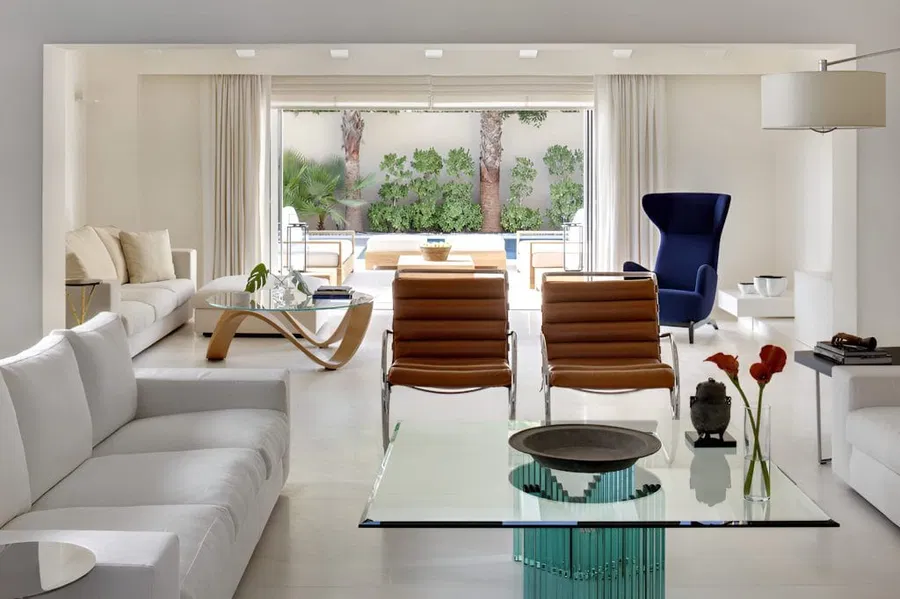
Modern interior design is one of the most recognizable, enduring, and influential aesthetics in the world of home decorating. Emerging in the late nineteenth and early twentieth centuries through movements like Bauhaus and Scandinavian design, modern style discarded ornate, heavy Victorian decoration in favor of clarity, purposeful geometry, and uncluttered spatial arrangements.
For beginners, modern interior design can sometimes feel intimidating or confusing. Many people mistake modern design for contemporary design, or assume that it requires living in a sterile, white box without personal warmth. In truth, modern interior design is deeply rooted in practical living. It balances clean aesthetics with everyday utility, making homes feel open, calm, and organized.
This guide breaks down the core principles, essential elements, material palettes, and room-by-room strategies to help anyone design a timeless modern space from scratch.
Understanding the Core Philosophy of Modern Design
To design a modern home successfully, one must grasp the philosophy that underpins the entire movement. Modernism is not merely a collection of furniture; it is an approach to how spaces function and interact with their occupants.
Form Follows Function
The foundational rule of modern architecture and interior design is that the shape, size, and layout of an object or room should relate directly to its intended purpose. If a decorative feature serves no functional or structural role, modern design strips it away. Cabinets feature integrated handles or simple pulls rather than carved moldings. Chairs are contoured to support posture rather than showcase tufted velvet frills. When selecting items, ask whether a piece genuinely improves the usability of the room.
Clean Geometric Lines and Structural Clarity
Modern interiors rely on bold, crisp lines. These lines can be strong horizontals, crisp verticals, or sweeping geometric curves.
-
Horizontal and Vertical Emphasis: Low-slung horizontal furniture pieces, like platform beds and low media credenzas, ground the eye and make ceilings feel taller.
-
Exposed Architectural Elements: Modern spaces celebrate how a home is built rather than hiding structural components behind drywall and decorative trims. Exposed beams, bare concrete columns, ductwork, and brickwork are embraced as honest design statements.
Intentional Negative Space
In traditional decor, empty corners are often filled with accent tables, urns, or standing lamps. Modern design treats negative space as an active design component. Leaving breathing room around furniture pieces allows their silhouettes to stand out, promotes easy foot traffic, and creates a visual sense of tranquility and order.
Building a Modern Color Palette
The color strategy in modern interior design focuses on tonal balance, subtlety, and intentional contrast rather than chaotic visual saturation.
The Power of Neutral Foundations
A modern room typically begins with a cohesive base of neutral shades:
-
Crisp Whites and Off-Whites: These tones bounce natural light into every corner, making spaces feel larger and cleaner.
-
Warm and Cool Grays: Grays provide architectural depth without introducing distracting chromatic noise.
-
Beiges, Tans, and Creams: Soft earthy tones keep modern rooms from feeling overly industrial or uninviting.
-
Deep Charcoal and Matte Black: Black serves as an anchor, often applied through window frames, light fixtures, cabinet hardware, or thin metal furniture frames to provide graphic definition.
Strategic Accent Colors
Modern design does not eliminate vibrant color; it simply uses it with restraint. Rather than painting four walls in a loud hue, modern spaces integrate primary or earthy accent colors through carefully curated focal points.
-
Earth Tones: Rust, terracotta, olive green, mustard yellow, and ochre bring organic warmth.
-
Primary Accents: Cobalt blue, bright red, and bold yellow echo classic Bauhaus traditions when used in modern art prints or statement seating.
Signature Materials and Textures in Modern Interiors
Because modern design avoids fussy ornamental patterns, the visual interest in a room comes primarily from raw material quality and tactile contrast.
Natural Wood
Wood adds crucial organic warmth to the crisp lines of modern rooms. Mid-century and Scandinavian branches of modernism rely heavily on woods with smooth grains and light-to-medium tones:
-
Walnut with its rich, deep brown finish
-
White oak with subtle, airy grain patterns
-
Teak and ash for mid-century structural frames
Industrial Metals and Glass
Metals lend architectural strength and geometric precision to furniture and lighting. Modern design commonly incorporates:
-
Matte Black Steel: Ideal for slim table bases, shelving frameworks, and door trim.
-
Brushed Brass and Gold: Introduces refined warmth to hardware and plumbing fixtures.
-
Chrome and Polished Steel: Provides reflective, clean finishes for iconic modernist cantilever chairs.
-
Clear and Frosted Glass: Keeps sightlines open in tabletops, room dividers, and oversized windows.
Concrete, Stone, and Natural Textiles
To ground a modern space, designers pair smooth metal and glass with solid stone and tactile fabrics:
-
Polished Concrete and Large-Format Slate: Used for continuous, uninterrupted flooring.
-
Marble and Quartz: Featuring clean, simple veining for countertops and fireplace surrounds.
-
Textured Textiles: Heavy linen, boucle, wool flat-weave rugs, and rich top-grain leather add layers of comfort without introducing busy visual prints.
Key Furniture Choices for a Modern Aesthetic
Furniture in a modern interior serves as functional art. Each piece must justify its presence through both comfort and striking proportions.
-
Low-Profile Silhouettes: Modern sofas and lounge chairs sit low to the ground, keeping visual weight near the floor and expanding the perceived volume of the room.
-
Leggy Designs: Sofas, armchairs, and sideboards elevated on slim wood or metal tapered legs allow sightlines to pass beneath the furniture, enhancing the perception of open floor area.
-
Minimalist Storage Solutions: Built-in cabinetry, floating consoles, and flat-panel credenzas hide everyday clutter behind seamless, handle-free doors.
-
Iconic Accent Seating: Introducing a single sculptural chair, such as a molded plywood lounger or an architectural metal armchair, creates a distinct focal point in a living room or reading corner.
Modern Lighting: Form, Atmosphere, and Layering
Lighting is an essential structural element in modern design. It does not just illuminate a room; it sculpts how space is perceived and highlights structural textures.
Ambient, Task, and Accent Lighting
Modern design avoids relying on a single overhead ceiling fixture. Instead, it layers light sources at different heights:
-
Ambient Lighting: Recessed ceiling cans, hidden LED cove strips, and minimalist flush mounts provide soft, baseline illumination.
-
Task Lighting: Adjustable architectural floor lamps, articulated desk lamps, and directional track heads deliver focused light for reading or cooking.
-
Accent Lighting: Sconces with clean directional beams cast washes of light up or down blank walls, highlighting stone textures or modern artwork.
Sculptural Pendant Fixtures
While most lighting should blend discreetly into the ceiling, modern dining rooms and kitchen islands often feature a single sculptural pendant light. Geometric globes, cascading linear brass rods, and sputnik-style chandeliers act as hanging visual art pieces that define the room zone.
Room-by-Room Guide for Beginners
Applying modern principles room by room ensures your home feels unified, cohesive, and balanced from the front entry to the bedrooms.
The Modern Living Room
Start with a neutral, low-profile sofa upholstered in durable linen or textured performance weave. Ground the seating arrangement with a large, solid-color or simple geometric area rug made of flat-weave wool or jute. Choose a sleek, low coffee table made of tempered glass, walnut, or concrete. Mount the television above a wall-mounted floating media console to keep the floor underneath clear. Add warmth with a single architectural floor lamp, two linen throw pillows, and one or two large indoor plants in ceramic cylindrical planters.
The Modern Kitchen
Modern kitchens prioritize unbroken planes and clean hygiene. Install flat-panel slab cabinets without decorative trim or raised panels. Select quartz countertops with minimal veining, pairing them with an integrated undermount sink. Opt for paneled appliances that blend seamlessly into the cabinetry, or choose matching stainless steel with clean bar handles. Replace traditional subway tile with a single slab backsplash or vertically stacked rectangular tiles for a crisp, contemporary feel.
The Modern Bedroom
Create a restful retreat by focusing on clean lines and uncluttered horizontal surfaces. Select a low platform bed with an integrated wood or upholstered headboard, eliminating the need for a traditional dust ruffle or box spring. Flank the bed with matching floating nightstands that keep the floor clear. Use crisp, solid-colored linen bedding in soft white, charcoal, or washed taupe. Keep bedside lamps slim and geometric, or install wall-mounted swing-arm sconces to free up surface space on your nightstands.
The Modern Bathroom
Modern bathrooms emulate the clean, restorative atmosphere of a boutique spa. Choose a floating wall-mounted vanity with deep drawers to conceal toiletries. Install a frameless glass walk-in shower with a linear floor drain and a minimalist rain showerhead. Use large-format porcelain wall and floor tiles to minimize grout lines, creating a unified, continuous look that makes small bathrooms feel expansive.
Common Modern Design Mistakes to Avoid
Beginners frequently encounter a few common pitfalls when attempting modern design for the first time:
-
Making the Space Too Cold and Sterile: Using only bright white surfaces and glossy metals can make a home feel like a clinical laboratory. Always balance cool materials with natural wood, soft rugs, and warm lighting temperatures (2700K to 3000K).
-
Choosing Style Over Comfort: A striking chair is useless if it causes back pain after fifteen minutes. Test seating for ergonomic support and cushion quality before buying.
-
Overcrowding the Room: Modern design requires restraint. Resist the urge to purchase extra side tables or small trinkets just to fill empty corners.
-
Using Small, Scattered Decor Items: Multiple tiny picture frames and decorative figurines create visual clutter. Instead, select one or two large-scale abstract art pieces and hang them with generous breathing room on focal walls.
Frequently Asked Questions
What is the primary difference between modern design and contemporary design?
Modern design refers to a specific, historical design movement that started in the early to mid-twentieth century, emphasizing functionalism, straight lines, low furniture profiles, and natural woods. Contemporary design, on the other hand, is not tied to a single era; it simply refers to what is popular and being created in the present moment. Contemporary design frequently incorporates modern elements, but it also borrows from various other styles and shifts continuously as trends evolve.
How can someone transition a traditional home to a modern style without a full remodel?
Begin by decluttering surfaces and replacing ornate decorative items with minimalist pieces. Swap out ornate light fixtures and cabinet hardware for clean, geometric matte black or brushed brass alternatives. Replace heavy, pleated drapery with simple linen panels or roller shades. Repaint crown moldings and walls in a cohesive, bright neutral palette to visually simplify the architecture, and replace fussy rugs with simple flat-weave or subtle geometric wool designs.
Is modern interior design practical for households with active pets and small children?
Modern design can be exceptionally family-friendly because its core focus is function and easy maintenance. Flat-panel cabinets wipe down quickly without grooves to trap dust and spills, while floating furniture makes sweeping and vacuuming simple. To accommodate children and pets, choose performance fabrics with stain resistance, durable leather that develops a pleasing patina with wear, rounded geometric coffee tables to eliminate sharp corners, and closed storage to quickly hide toys out of sight.
How should artwork be selected and framed to complement a modern interior?
Modern interiors benefit most from large-scale artwork rather than gallery walls filled with tiny prints. Choose bold abstract pieces, black-and-white architectural photography, geometric color fields, or minimalist line drawings. Frame art in thin, simple profiles made of black metal, natural wood, or white-painted wood. When hanging artwork, position the center of the piece at standard eye level, roughly fifty-seven to sixty inches from the floor, and allow plenty of open wall space around the frame.
What are the best indoor plant varieties for modern interior design aesthetics?
Architectural plants with distinct, sculptural leaf shapes complement the clean lines of modern spaces best. Great choices include the Fiddle Leaf Fig, Bird of Paradise, Snake Plant (Sansevieria), Rubber Tree (Ficus elastica), and Monstera Deliciosa. House these plants in simple matte ceramic, concrete, or fiberglass cylindrical planters on short wooden stands to maintain clean vertical and horizontal lines.
How do window treatments function within modern interior design schemes?
Modern window treatments are designed to maximize natural light and maintain clean sightlines. Heavy valances, swags, and ornate lace curtains are avoided. Instead, modern rooms use floor-to-ceiling unpleated linen drapes hung from hidden or ultra-slim ceiling tracks, automated solar roller shades, or simple inside-mount wood blinds with flat slats. In private spaces where views are unobstructed, windows are often left completely bare to celebrate the architectural frame.
Can vintage or antique items work inside a strictly modern design framework?
Incorporating a single vintage or antique piece into a modern room provides character, history, and individual personality, preventing the space from looking like a generic furniture catalog. The key is balance: allow the modern room to provide the clean, quiet backdrop, and treat the antique piece as a singular sculptural focal point. Ensure the vintage item has interesting texture or structural form, such as a weathered rustic bench, an antique Persian runner on a concrete floor, or a carved mid-century vessel.

Comments are closed.