

Key Takeaways
When it comes to bathroom faucets, variety is the name of the game. Options include single-handle, widespread, wall-mounted, and two-handle faucets, each presenting unique functionality and style that cater to different preferences and bathroom configurations.
Opting for faucets with WaterSense labels is a smart choice. These fixtures align with water efficiency regulations, which helps lower utility bills while supporting sustainable usage, all without compromising performance.
Today’s faucet design trends often gravitate toward minimalism. Finishes like matte black, along with bold options such as brass and gold, not only enhance the bathroom’s aesthetic but also impart a touch of modern elegance.
Installation can be a hands-on project or left to professionals, depending on the individual’s competence with plumbing tasks. Remember, having the right tools and preparation is essential for a successful installation.
Regular cleaning with gentler agents plus routine maintenance can stave off problems like leaks and buildup, ensuring both the finish and functionality of the faucet remain intact over the long haul.
Upgrading faucets often results in increased usability, enhanced visuals, and a revitalized bathroom experience, illustrating how significant these changes can be for homeowners.
For a well-coordinated bathroom design, it’s vital to choose faucets that complement other fixtures and accessories, establishing a unified look throughout the space.
Key Factors to Consider When Choosing a Bathroom Faucet
Understanding Faucet Types: Which is Right for Your Needs?
Bathroom faucets are diverse, each boasting distinct features and styles. Gaining insight into these types can notably influence both functionality and visual appeal. Ultimately, personal taste and the layout of the bathroom will guide the final decision. Single-handle faucets are ideal for those who prefer simplicity since they offer straightforward temperature and flow control, perfect for quick settings. In contrast, widespread bathroom faucets provide a luxurious and customizable feel, featuring separate handles for hot and cold water, elevating the overall look.
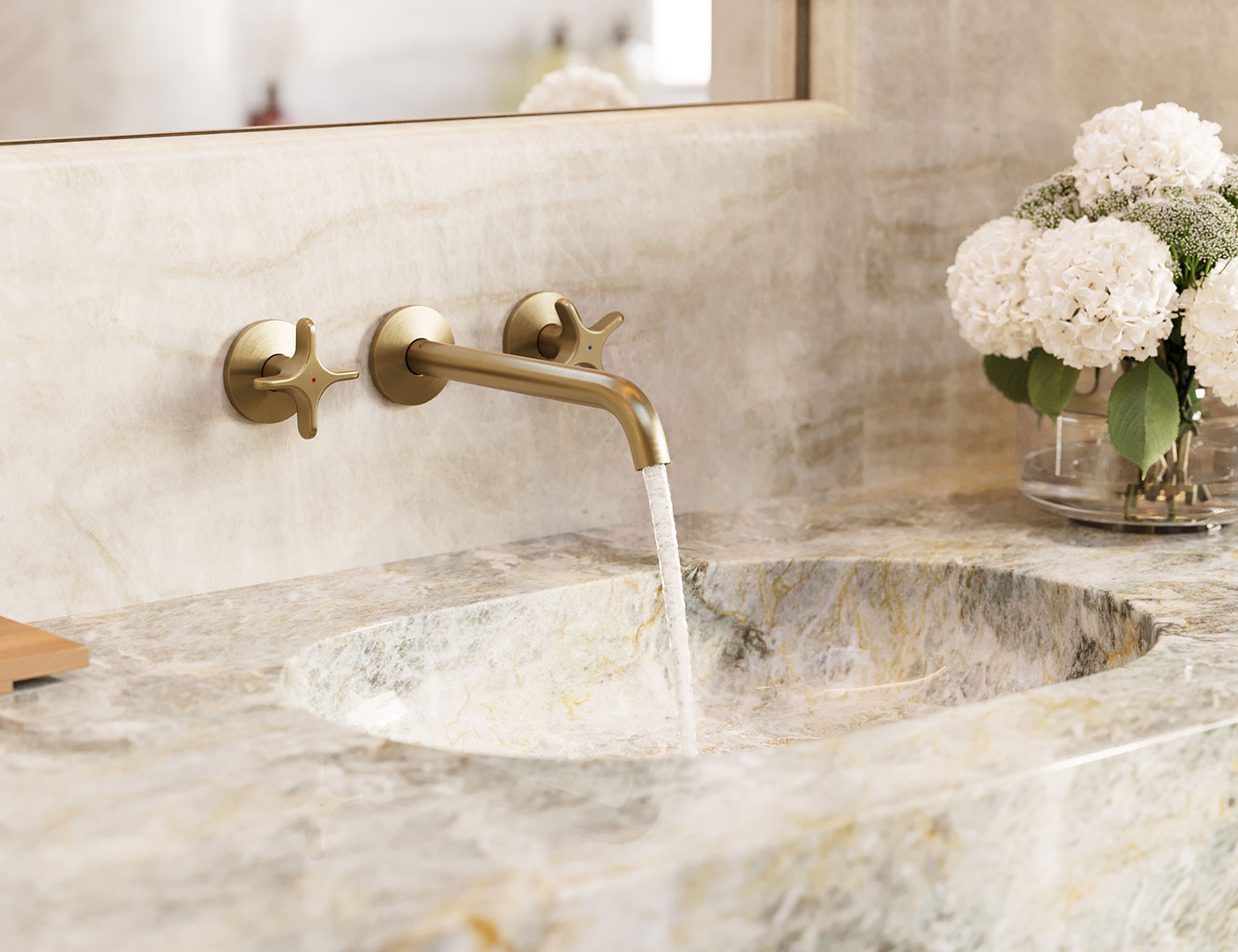
There’s also the rise of wall-mounted faucets. These options save space, making them a great fit for contemporary bathrooms, all while offering a sleek design alongside the sink. Meanwhile, the traditional two-handle faucet remains a beloved choice, delivering precise control with an elegant touch that maintains practicality. Recognizing the traits of each faucet type is essential for identifying which best caters to specific requirements.
Water Efficiency Ratings: Impact on Your Utility Bills
Water efficiency ratings should never be overlooked when selecting a bathroom faucet. Higher efficiency equates to lower utility bills, and most states enforce strict guidelines for faucets, often capping flow rates at 1.2 gallons per minute. Opting for fixtures with the WaterSense label ensures adherence to these regulations while supporting eco-conscious living. This not only saves money but also benefits the environment.
It’s a common misconception that lower flow rates lead to lower pressure. On the contrary, new technology now offers high performance without sacrificing efficiency. Embracing water-efficient models can yield substantial savings over time. Professionals often advise considering how these selections can reshape water usage habits for a more sustainable future.
Style Trends: From Classic to Modern Designs
Keeping abreast of the latest faucet styles is crucial for creating a cohesive bathroom look. Trends range from vintage brass to sleek chrome designs, but many are now gravitating toward minimalistic aesthetics that express understated luxury. For instance, matte black fixtures are making a significant impact in design, delivering modern sophistication.
Bold colors are gaining traction too, as finishes like brass and gold add warmth, perfectly contrasting with cooler ceramics. Visually appealing elements like these can elevate the entire bathroom experience, transforming an everyday space into something extraordinary.
Installation Insights: Smooth Faucet Upgrades
Professional vs. DIY: Assessing Your Skill Level
Choosing between hiring a professional or taking the DIY route is a decision that should not be made lightly. Experienced individuals might find DIY installation fulfilling and cost-effective, but errors can lead to leaks and expensive repairs later on. Honest assessment of one’s skills is crucial. For less experienced homeowners, enlisting a professional might offer the peace of mind needed.
Professionals typically execute installations with great precision, drawing on tools and expertise that guarantee compliance with industry standards. Yet for capable DIY enthusiasts, clear instructions, along with the right tools, can lead to impressive outcomes without hassle.
Tools and Materials: What You’ll Need for a Smooth Install
No matter which installation route one chooses, having the right tools proves vital. Essential items might include adjustable wrenches, plumber’s tape, and a basin wrench to facilitate a smoother process.
- Adjustable wrench
- Plumber’s tape
- Basin wrench
- Screwdriver set
- Bucket for catch
Those who aren’t well-prepared may find themselves halting mid-project. It’s beneficial to have everything in place, including replacing old fittings and cleaning surfaces – these steps are crucial for seamless execution.
Common Installation Challenges and Solutions
Installations can come with their fair share of challenges. A frequent culprit is old fittings that remain stuck; sometimes brute force is necessary to resolve this issue. Applying heat may help loosen stubborn connections as well. Misalignment is another common challenge; ensuring every piece lines up correctly before securing any fittings is key.
Testing for water leaks before finalizing everything is crucial for early detection of potential problems. A simple checklist can keep the project organized and ensure no detail slips through the cracks during installation.
- Align all fittings properly
- Use plumber’s tape to prevent leaks
- Test for leaks before finishing
Maintenance Tips: Keeping Your Faucet in Top Condition
Cleaning Techniques: Protecting Your Investment
Proper maintenance is essential for prolonging a faucet’s lifespan. Regular cleaning not only enhances shine but also helps prevent buildup, which can lead to lasting damage. Gentle cleaning agents mixed with water often suffice, while avoiding abrasive cleaners is paramount to prevent scratching and dulling finishes. A microfiber cloth serves well in enhancing shine without causing harm.
Even simple measures, like wiping down the faucet after each use, go a long way in preserving finishes. An old toothbrush can reach those tricky spots around handles and bases for a thorough clean. Investing a little time in cleaning tasks will keep the faucet looking fresh for years.
Dealing with Common Issues: Leaks and Drips Explained
Leaks and drips can happen unexpectedly, so it’s crucial to recognize common culprits and how to address them quickly to avoid further complications. Commonly, these problems arise from worn-out washers or O-rings; replacing these parts can restore functionality without necessitating a full faucet replacement.
Being vigilant about early signs of leaks, such as water stains beneath the sink, can help avoid bigger problems later. Regular maintenance checks ensure small issues are managed before escalating into significant repairs. Proactivity is vital here.
When to Call a Professional: Signs Your Faucet Needs Help
Knowing when it’s time to call in a professional is key to responsible home maintenance. If leaks persist after attempting DIY fixes, it’s probably time for expert intervention. Whether feeling overwhelmed or not, experts can tackle what might seem daunting to an untrained eye.
Low water pressure that doesn’t improve can indicate underlying plumbing issues or sediment buildup, which typically require a professional’s touch. Also, any excessive noise or vibration during installation is a clear sign that calling an expert is a wise decision. It’s all about making the right choice before situations escalate.
Real-Life Transformations: Stunning Faucet Makeovers
Before and After: Inspiring Bathroom Revamps
Before and after stories often spark creativity. Transformations frequently begin with something as straightforward as changing a faucet. For example, swapping out a worn vintage faucet for a sleek, modern fixture can dramatically elevate the space.
Bathroom makeovers can incorporate various design elements that fit the homeowner’s aspirations. Whether aiming for a cozy rustic theme or a striking contemporary look, a new faucet can serve as the centerpiece that brings the whole room together.
“Small changes can lead to significant visual impacts. A faucet can utterly transform a bathroom.”
Customer Testimonials: Impact of a Faucet Upgrade
Homeowners frequently share their experiences regarding faucet upgrades, praising benefits like enhanced ease of use, refined aesthetics, and improved function. The sense of pride in their refreshed spaces is evident.
- “My faucet made my morning routine a dream!”
- “I never knew a simple change could revitalize my bathroom.”
- “Guests can’t stop complimenting the new fixtures.”
These real-life testimonials illuminate how impactful thoughtful decisions can be. Homeowners deeply appreciate the tangible benefits resulting from blending form and function seamlessly.
Integrating Faucets with Other Bathroom Elements
Integration is essential for accentuating the overall design of a bathroom. Pairing faucets with compatible sinks and fixtures promotes a harmonious appearance. Consideration of material and finish across all elements adds to the unified look. It’s about more than just the faucet; it involves the way it interacts within the entire bathroom narrative.
Choosing accessories that match the faucet finish further enhances visual cohesion. Professionals often recommend coordinating towel racks, mirrors, and soap dispensers. Each addition contributes layers to the design, amplifying the overall attraction.
Grasping these relationships can lead to exquisite, cohesive designs that allow a bathroom to function with elegance.
FAQ
What are the benefits of water-efficient faucets?
Water-efficient faucets considerably lower utility bills over time while fostering conservation of water resources. These fixtures maintain high performance without sacrificing water pressure, making them appealing for eco-conscious homeowners.
How do bathroom faucet styles influence overall decor?
The styles of faucets can dramatically affect the aesthetic of a bathroom. Choosing designs that harmonize with other components, like sinks and cabinetry, cultivates a cohesive atmosphere. The right faucet can become a focal feature, enhancing the overall beauty of the space.
Can switching to a modern faucet improve functionality?
Absolutely! Modern faucets often integrate innovative features, such as improved aeration and adjustable flow rates, which enhance usability. Homeowners frequently find that these upgrades streamline their daily routines while enriching the overall bathroom experience.
What materials are considered best for long-lasting faucets?
Materials like solid brass, stainless steel, and high-grade plastic are typically recommended for durability. These substances resist corrosion and wear, helping bathroom faucets maintain both functionality and visual appeal over extended periods.
How often should a faucet be replaced?
Faucets generally last approximately 15 to 20 years, depending on use and maintenance. Persistent leaks, discoloration, or operational difficulties are all indicators that it may be time for an upgrade, enhancing both performance and aesthetics.
What role do accessories play in bathroom faucet design?
Accessories are crucial in achieving a unified aesthetic for a bathroom. Coordinating elements such as towel bars, soap dispensers, and lighting fixtures with the faucet contributes to a harmonious look. It’s often the smallest details that elevate the entire bathroom design.
Are there specific cleaning products recommended for faucet maintenance?
Experts recommend using gentle, non-abrasive cleaners to maintain faucets and avoid damaging finishes. A combination of mild soap and water or vinegar can keep surfaces clean without causing scratches or dulling the finish.
How does age affect faucet performance?
As faucets age, they may undergo wear and tear that can alter performance, such as reduced water pressure or increased leaks. Regular upkeep can alleviate some issues, but eventually, replacement becomes the more practical solution for optimal function.
Useful Resources
- U.S. Environmental Protection Agency – WaterSense
- HomeAdvisor – Home Improvement Resources
- National Kitchen and Bath Association
- Chicago Tribune – Bathroom Design Insights
- This Old House – DIY Home Improvement Guides
- Angie’s List – Home Services Ratings
- Houzz – Home Design Ideas and Resources
- Consumer Reports – Faucet Reviews and Ratings

Comments are closed.