

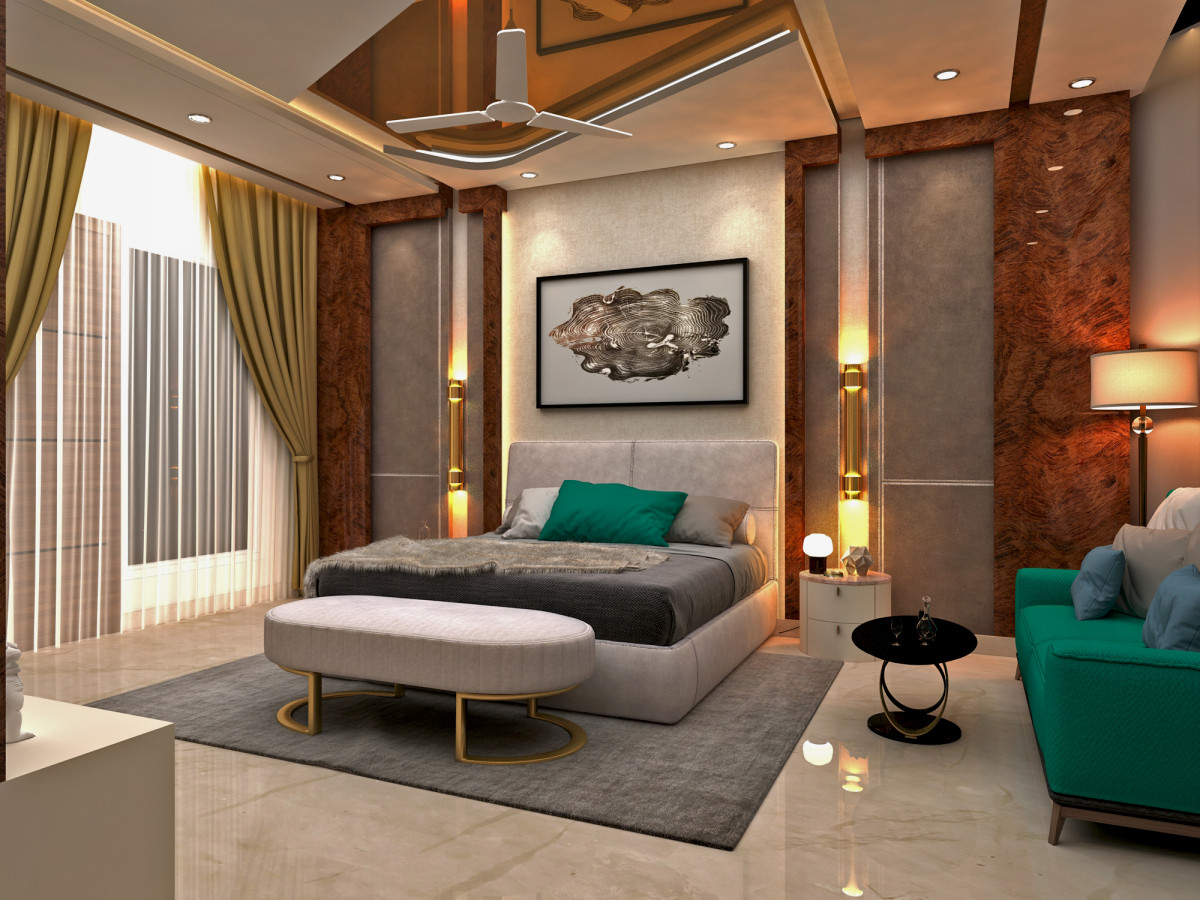
Interior design is much more than selecting furniture, colors, and decorative accents. It is the deliberate, thoughtful practice of shaping interior environments to optimize aesthetics, functionality, and human experience. From residential homes to commercial offices, interior design plays a critical role in enhancing quality of life, influencing behavior, and creating spaces that are both practical and visually compelling. Professionals in this field merge creativity, psychology, architecture, and technology to deliver environments that resonate with purpose and style.
Understanding the Core Principles of Interior Design
Interior design is rooted in principles that guide the creation of spaces that are both beautiful and practical. Understanding these core principles ensures that every design decision supports a cohesive and functional environment.
Balance and Harmony
Balance involves distributing visual weight evenly throughout a space to create stability:
- Symmetrical Balance: Mirrors elements on either side of a central axis, creating formality and order.
- Asymmetrical Balance: Uses differing elements that have equal visual weight, offering a more dynamic and casual feel.
- Radial Balance: Elements radiate from a central focal point, commonly used in circular layouts like lounges or conference areas.
Harmony ensures that all elements within a room—colors, furniture, textures, and materials—work together to create a unified aesthetic. This cohesion reduces visual tension and enhances comfort.
Functionality and Ergonomics
Functional design prioritizes how people interact with their environment:
- Spatial Planning: Ensures optimal movement and workflow, such as proper circulation between a kitchen, dining, and living area.
- Ergonomic Considerations: Appropriate desk height, chair support, and counter placement reduce physical strain.
- Task-Specific Zones: Dividing areas based on activities, such as reading corners, workstations, or entertainment zones, maximizes efficiency.
Scale and Proportion
Scale refers to the size of objects in relation to the room and to each other, while proportion deals with the relative size relationships between design elements. Proper scale and proportion create visual comfort and prevent spaces from feeling cramped or overwhelming.
Light and Color
Lighting and color profoundly affect mood, perception, and spatial awareness:
- Natural Light Optimization: Maximizes daylight, improving energy efficiency and psychological well-being.
- Artificial Lighting Layers: Combining ambient, task, and accent lighting offers versatility and functional clarity.
- Color Psychology: Warm hues like reds and oranges evoke energy and warmth, while cool tones like blues and greens promote calm and relaxation.
Texture and Materiality
Materials and textures add depth, sensory interest, and durability:
- Natural Materials: Wood, stone, and leather introduce warmth and sophistication.
- Synthetic Options: High-quality composites and polymers provide flexibility, affordability, and longevity.
- Tactile Variety: Mixing smooth, rough, soft, and reflective surfaces enhances visual and physical engagement.
The Impact of Interior Design on Daily Life
The design of an interior affects not only aesthetics but also how individuals feel and function within a space.
Emotional and Psychological Influence
Interior design has a measurable effect on mood and behavior:
- Color Influence: Studies show that blues and greens reduce stress, while reds increase energy and excitement.
- Spatial Perception: Well-organized spaces reduce anxiety, improve concentration, and enhance comfort.
- Lighting Effects: Natural daylight exposure enhances alertness and circadian rhythm regulation.
Productivity and Performance
Interior design is integral in workplaces and educational environments:
- Office Layouts: Open, collaborative spaces encourage communication, while quiet zones promote focus.
- Acoustic Management: Sound-absorbing materials and thoughtful room separation reduce distractions.
- Furniture Selection: Ergonomic chairs and adjustable desks improve comfort, health, and productivity.
Sustainability and Health
Modern interior design emphasizes environmentally responsible practices:
- Eco-Friendly Materials: Bamboo, reclaimed wood, recycled metals, and low-VOC paints improve sustainability.
- Energy Efficiency: LED lighting, smart thermostats, and daylight integration reduce energy consumption.
- Air Quality Management: Proper ventilation, indoor plants, and hypoallergenic materials promote occupant health.
Popular Interior Design Styles
Interior design styles reflect both historical influences and modern preferences. Selecting a style establishes a cohesive aesthetic while aligning with functionality.
Minimalist Design
- Characteristics: Clean lines, neutral palettes, uncluttered spaces, and essential furniture only.
- Application: Urban apartments and small homes where simplicity enhances spatial efficiency.
Contemporary Design
- Characteristics: Current trends, mixed textures, bold accents, and flexible layouts.
- Application: Residential and commercial interiors seeking a modern, adaptable appearance.
Industrial Design
- Characteristics: Exposed structural elements, raw materials, neutral tones, and utilitarian furniture.
- Application: Loft apartments, creative offices, and restaurants emphasizing authenticity and durability.
Scandinavian Design
- Characteristics: Light color palettes, natural materials, functional furniture, and cozy textures.
- Application: Residences prioritizing comfort, warmth, and minimalist aesthetic.
Traditional Design
- Characteristics: Symmetry, ornate detailing, rich textiles, and classical furniture.
- Application: Luxury homes, heritage properties, or spaces emphasizing elegance and historical continuity.
Transitional Design
- Characteristics: Combines traditional and contemporary elements, maintaining balance and visual harmony.
- Application: Spaces requiring timeless appeal with modern functionality.
Interior Design Process
The interior design process is systematic, combining creativity with practical planning:
Initial Consultation and Concept Development
- Understanding client goals, lifestyle needs, and aesthetic preferences.
- Conducting site analysis and assessing spatial limitations and opportunities.
- Developing initial mood boards and concept sketches for approval.
Space Planning and Layout Design
- Zoning spaces for specific functions while optimizing flow and accessibility.
- Ensuring furniture, fixtures, and equipment fit both spatially and ergonomically.
- Incorporating circulation paths and task-specific areas for maximum efficiency.
Material and Finish Selection
- Choosing flooring, wall treatments, cabinetry, and textiles based on aesthetics, durability, and maintenance.
- Evaluating finishes for sustainability and environmental impact.
- Testing sample materials and ensuring compatibility with lighting and color schemes.
Implementation and Project Management
- Coordinating with contractors, craftsmen, and suppliers for accurate execution.
- Managing timelines, budgets, and quality assurance.
- Conducting regular inspections and adjustments to maintain design integrity.
Final Styling and Personalization
- Adding art, accessories, and décor elements to reinforce style and client personality.
- Integrating functional enhancements, such as smart home systems and ergonomic furniture.
- Ensuring spaces are visually cohesive and practically functional.
Technology in Modern Interior Design
Emerging technologies enhance both planning and execution of interior design projects:
- 3D Modeling and Virtual Reality: Allows clients to visualize spaces accurately before construction begins.
- Smart Home Integration: Automated lighting, climate control, and security systems improve convenience and sustainability.
- CNC Fabrication and 3D Printing: Enables custom furniture, fixtures, and décor with precise measurements.
- Design Software and AI Tools: Streamline material selection, color matching, and spatial arrangement for more efficient workflows.
Challenges and Solutions in Interior Design
Interior design projects face multiple challenges that require innovative solutions:
- Budget Constraints: Creative material substitutions and modular furniture can maintain aesthetics without overspending.
- Small Space Limitations: Multi-functional furniture, vertical storage, and open layouts optimize usability.
- Client Preferences vs. Practicality: Designers balance style desires with functionality and sustainability requirements.
- Maintenance Considerations: Selecting durable materials, protective finishes, and easy-to-clean surfaces ensures longevity.
Real-Life Applications of Interior Design
- Residential Interiors: Maximizes comfort, efficiency, and personalization while ensuring longevity of finishes.
- Commercial Interiors: Offices, hotels, and retail spaces leverage design for branding, workflow, and customer experience.
- Healthcare Environments: Patient-centered design supports recovery, accessibility, and emotional comfort.
- Hospitality Spaces: Hotels and resorts utilize interiors to create immersive experiences, reinforce brand identity, and enhance guest satisfaction.
Frequently Asked Questions About Interior Design
Q1: How does interior design affect mental well-being?
By optimizing light, color, space, and material choices, interior design can reduce stress, enhance focus, and improve mood and energy levels.
Q2: Which materials are most sustainable for interior design?
Bamboo, reclaimed wood, recycled metals, low-VOC paints, and natural fabrics reduce environmental impact while maintaining durability.
Q3: How can interior designers make small spaces functional?
Through modular furniture, multi-purpose zones, vertical storage solutions, and light color palettes that enhance perception of space.
Q4: What role does lighting play in interior design?
Lighting impacts mood, visual clarity, spatial perception, and even health. Layered lighting strategies combine ambient, task, and accent lighting for optimal functionality.
Q5: How do designers balance aesthetics with practicality?
By integrating ergonomic principles, durable materials, task-oriented layouts, and sustainability without compromising visual appeal.
Q6: What trends are influencing interior design today?
Smart homes, biophilic design, sustainable materials, adaptive furniture, and virtual reality planning are shaping contemporary approaches.
Q7: Can technology improve the interior design process?
Yes, tools like 3D visualization, AI-assisted planning, and smart home integration streamline workflows, increase accuracy, and enhance client satisfaction.

Comments are closed.