

Plumbing is a critical component of modern life that often goes unnoticed until something goes wrong. From residential homes to massive commercial complexes, plumbing systems ensure the reliable delivery of clean water and the safe removal of wastewater. Understanding plumbing involves more than just pipes and faucets—it requires knowledge of hydraulics, materials science, environmental considerations, and maintenance protocols. Properly designed plumbing systems enhance health, efficiency, and sustainability, making them an indispensable part of building infrastructure.
The Fundamentals of Plumbing
Plumbing encompasses a range of systems that control the flow of water, gas, and wastewater. It is broadly divided into two categories: water supply systems and drainage systems.
Water Supply Systems
Water supply systems provide potable water to fixtures, appliances, and industrial equipment. Key components include:
- Pipes and Tubing: Commonly made from copper, PVC, PEX, or galvanized steel, these conduits carry water throughout a building.
- Valves and Faucets: Control the flow and pressure of water, enabling shut-off and maintenance without disrupting the entire system.
- Water Heaters: Devices such as tankless, storage tank, and solar heaters provide hot water efficiently and on demand.
- Pump Systems: Enhance pressure in high-rise buildings or areas with low municipal water pressure.
Drainage and Waste Systems
Drainage systems safely remove wastewater, sewage, and stormwater, preventing contamination and structural damage. Important elements include:
- Drain Pipes: Made of PVC, ABS, or cast iron, these pipes convey wastewater from fixtures to sewers or septic systems.
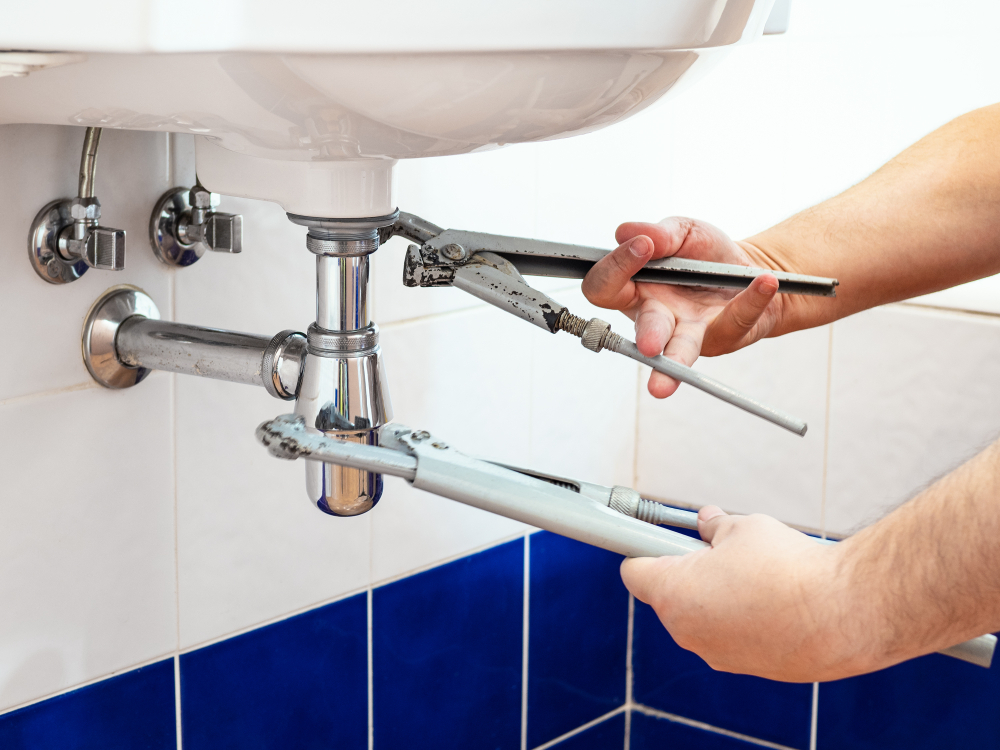
- Traps: U-shaped pipes under sinks and drains prevent sewer gases from entering living spaces.
- Vent Pipes: Allow air to enter the drainage system, ensuring proper flow and preventing vacuum conditions.
- Sewage Ejectors and Pumps: Facilitate wastewater removal in basements or areas below sewer lines.
Advanced Plumbing Technologies
Modern plumbing incorporates technological advancements that improve efficiency, safety, and sustainability.
Smart Plumbing Solutions
- Leak Detection Systems: Sensors detect leaks in real-time, alerting homeowners and preventing water damage.
- Automated Valves: Can shut off water supply automatically in case of a leak or pipe burst.
- Smart Faucets and Showers: Control flow, temperature, and water usage via mobile apps or voice commands.
Water Conservation Techniques
- Low-Flow Fixtures: Faucets, toilets, and showerheads that reduce water usage without compromising performance.
- Greywater Recycling Systems: Treat and reuse water from sinks and showers for irrigation or flushing toilets.
- Rainwater Harvesting: Collecting and storing rainwater reduces demand on municipal supplies and promotes sustainability.
Pipe Material Innovations
- Cross-Linked Polyethylene (PEX): Flexible, resistant to freezing, and easy to install, making it popular in modern residential plumbing.
- Chlorinated Polyvinyl Chloride (CPVC): Suitable for hot and cold water, with high durability and chemical resistance.
- Composite Pipes: Blend of metal and plastic for strength, flexibility, and corrosion resistance.
Plumbing System Design Principles
Designing an efficient plumbing system requires careful consideration of hydraulic principles, environmental factors, and user requirements.
Hydraulic Considerations
- Pressure Management: Proper sizing of pipes and valves ensures adequate water pressure throughout a building.
- Flow Rate Calculations: Accurate flow calculations prevent overloading and maintain optimal operation of appliances.
- Gravity and Pump Systems: Designing drainage systems that use gravity effectively reduces energy consumption, while pumps address low-pressure situations.
Layout Planning
- Zoning: Grouping plumbing fixtures logically reduces pipe length, improves efficiency, and lowers costs.
- Accessibility: Maintenance access points, cleanouts, and shut-off valves must be strategically placed.
- Integration with Other Systems: Coordination with electrical, HVAC, and structural components avoids conflicts and ensures smooth operation.
Environmental and Safety Compliance
- Water Quality Standards: Ensuring potable water meets health codes and regulations.
- Wastewater Treatment: Proper disposal and treatment prevent environmental contamination.
- Fire Safety Integration: Some plumbing systems incorporate fire suppression, such as sprinkler systems, following strict safety codes.
Common Plumbing Challenges and Solutions
Plumbing systems face a variety of challenges that require proactive solutions to maintain performance and longevity.
Pipe Corrosion and Scaling
- Problem: Metal pipes, particularly galvanized steel, are prone to corrosion and mineral scaling, reducing flow and risking leaks.
- Solution: Regular inspections, water softeners, and the use of corrosion-resistant materials such as PEX or CPVC.
Blockages and Clogs
- Problem: Accumulation of debris, grease, or mineral deposits can obstruct drains and pipes.
- Solution: Routine maintenance, proper disposal practices, and installing strainers or traps.
Leak Detection and Prevention
- Problem: Undetected leaks can cause structural damage, mold growth, and water waste.
- Solution: Smart leak detectors, regular inspections, and proper pipe insulation to prevent freezing in colder climates.
Aging Infrastructure
- Problem: Older buildings often have outdated plumbing materials or layouts that compromise efficiency.
- Solution: Retrofit or replacement with modern materials, including flexible piping and low-flow fixtures.
Plumbing in Specialized Applications
Plumbing extends beyond residential and commercial use, serving specialized sectors with unique requirements.
Industrial Plumbing
- High-Pressure Systems: Factories and processing plants require durable piping and valves capable of handling extreme pressure and temperature.
- Chemical Resistance: Materials must resist corrosion from industrial chemicals and process fluids.
- Waste Management: Industrial wastewater treatment and neutralization systems are essential for environmental compliance.
Healthcare Facilities
- Sterility and Hygiene: Hospitals require plumbing systems that support sterilization, handwashing stations, and safe waste disposal.
- Emergency Redundancy: Backup systems for critical water supply, including storage tanks and pumps, ensure uninterrupted service.
Hospitality and Commercial Spaces
- High Occupancy Demand: Hotels, restaurants, and office buildings need systems capable of handling fluctuating peak usage.
- Energy Efficiency: Water-saving devices, hot water recirculation systems, and greywater recycling reduce operating costs.
Maintenance Strategies for Longevity
Effective plumbing maintenance enhances performance, reduces emergencies, and prolongs system life.
Preventive Maintenance
- Routine inspections of pipes, valves, and fittings to detect wear or leaks.
- Flushing water heaters and tanks to remove sediment buildup.
- Cleaning aerators, traps, and drains to prevent blockages.
Emergency Preparedness
- Knowledge of shut-off valve locations for quick response.
- Having essential repair tools and replacement parts on hand.
- Engaging professional services for major repairs or replacements.
Sustainability Practices
- Installing water-efficient fixtures and appliances.
- Using environmentally friendly pipe materials and insulation.
- Regular monitoring of water consumption to identify leaks and inefficiencies.
Real-Life Implications of Plumbing
Plumbing is central to public health, environmental sustainability, and overall comfort:
- Health and Sanitation: Safe drinking water and reliable sewage disposal prevent waterborne diseases.
- Property Protection: Proper drainage and leak management prevent structural damage and mold growth.
- Environmental Conservation: Water-saving technologies and efficient wastewater treatment reduce environmental impact.
Frequently Asked Questions About Plumbing
Q1: How can homeowners detect hidden leaks?
Look for unusual water bills, damp spots on walls or floors, mold growth, or the sound of running water when fixtures are off. Smart leak detectors can provide real-time alerts.
Q2: What are the benefits of PEX piping over traditional copper?
PEX is flexible, resistant to freezing, easier to install, cost-effective, and resistant to corrosion and scaling, making it ideal for modern plumbing systems.
Q3: How often should plumbing systems be inspected?
Residential systems should be inspected at least annually, while commercial or industrial systems may require quarterly inspections depending on usage and local regulations.
Q4: What is greywater recycling, and is it safe?
Greywater recycling involves reusing water from sinks, showers, and washing machines for irrigation or toilet flushing. When properly treated and filtered, it is safe and environmentally beneficial.
Q5: How can plumbing improve energy efficiency?
Using low-flow fixtures, insulating hot water pipes, installing tankless water heaters, and employing hot water recirculation systems reduces energy consumption and utility costs.
Q6: What causes pipe corrosion, and how can it be prevented?
Corrosion occurs due to chemical reactions between water and pipe materials. Prevention includes using corrosion-resistant materials, water softeners, and regular inspections.
Q7: Can plumbing systems integrate with smart home technology?
Yes, modern systems can include leak sensors, automated shut-off valves, app-controlled faucets, and temperature monitoring to enhance convenience and safety.
Plumbing is the lifeline of modern infrastructure, intertwining functionality, safety, and sustainability. From innovative materials and smart systems to preventive maintenance and water conservation strategies, a well-designed plumbing system not only protects property but also enhances quality of life. Whether in residential, commercial, or industrial settings, investing in thoughtful plumbing design and upkeep ensures long-term reliability, efficiency, and environmental responsibility.

Comments are closed.