

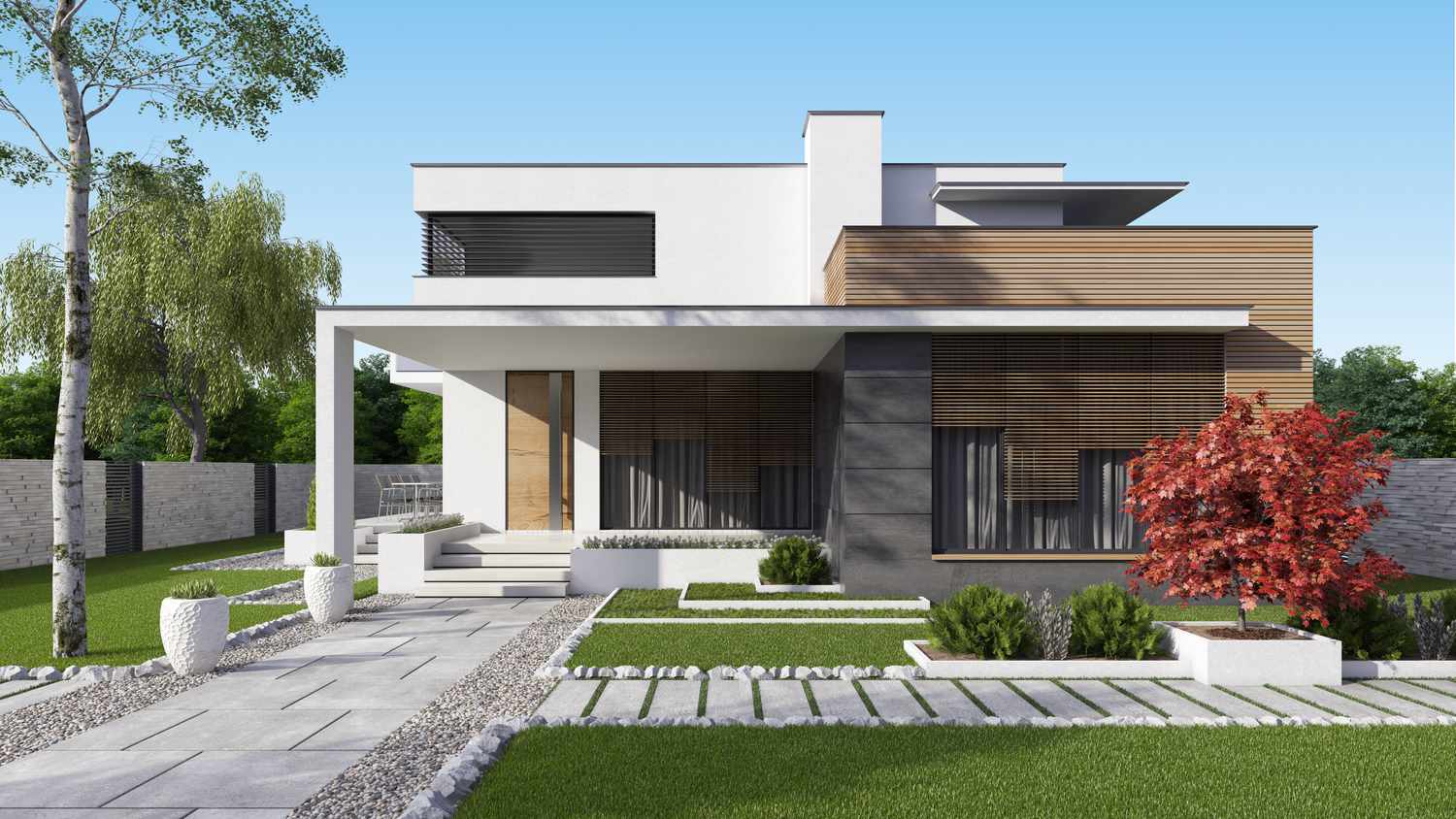
Architecture is more than just the creation of buildings; it is the manifestation of human imagination, culture, and technological advancement. From ancient civilizations to contemporary urban landscapes, architecture has consistently shaped the way societies function, interact, and express identity. Its influence extends beyond aesthetics, encompassing social, environmental, and economic dimensions that make it an essential discipline in understanding human development.
The Foundations of Architectural Design
Architecture fundamentally combines art and science. It is the thoughtful integration of form, function, and context to create spaces that serve human needs while expressing cultural values. Early architecture often reflected available materials, climate, and societal hierarchy. For instance:
- Ancient Mesopotamian Architecture emphasized ziggurats with terraced designs to represent religious and political significance.
- Egyptian Architecture relied on stone construction, monumental scale, and alignment with celestial events to symbolize permanence and divinity.
- Classical Greek Architecture introduced proportional design, columnar orders, and public spaces that emphasized community and civic pride.
These early examples highlight architecture as a dialogue between environmental constraints, human ingenuity, and societal priorities.
Principles of Modern Architectural Practice
In contemporary practice, architects prioritize functionality, sustainability, and experiential quality while maintaining aesthetic appeal. The core principles guiding modern architecture include:
Functionality and Usability
Every architectural project begins with the end-users in mind. Buildings are designed not only to look impressive but also to meet the functional needs of the inhabitants. This involves careful planning of:
- Spatial organization for efficient movement
- Accessibility for people with diverse abilities
- Integration of utilities and services seamlessly into the structure
Sustainability and Environmental Responsibility
With increasing awareness of climate change, sustainable architecture has become central to design. Architects now focus on energy-efficient buildings, responsible material sourcing, and minimizing ecological footprints. Key strategies include:
- Incorporating renewable energy sources such as solar panels and geothermal heating
- Using locally sourced or recycled materials
- Implementing passive design elements like natural ventilation, daylighting, and thermal mass
Aesthetic and Cultural Expression
Architecture communicates the identity, values, and history of a community. Modern architects often blend contemporary materials and techniques with traditional motifs to maintain cultural continuity while achieving innovation. For example, incorporating patterns, textures, or symbolic shapes can honor heritage while creating a forward-looking design.
Technological Integration
Advancements in technology have revolutionized architectural design. Tools like Building Information Modeling (BIM), parametric design, and 3D printing allow architects to explore complex forms, optimize structural integrity, and enhance collaboration across disciplines. Smart buildings, integrated with IoT devices, provide real-time monitoring for energy usage, security, and user comfort.
Architectural Styles and Movements
Throughout history, architecture has evolved in response to cultural, political, and technological shifts. Understanding these movements offers insight into how human priorities have shaped the built environment.
Gothic Architecture
Emerging in medieval Europe, Gothic architecture emphasized verticality, light, and intricate detailing. Cathedrals with pointed arches, ribbed vaults, and flying buttresses created awe-inspiring spaces that lifted the eye and spirit.
Renaissance Architecture
The Renaissance marked a revival of classical ideals with symmetry, proportion, and perspective. Architects like Filippo Brunelleschi revolutionized spatial design through innovations such as domes and linear perspective, reflecting a renewed focus on humanism and rationality.
Modernism
In the early 20th century, modernist architects rejected ornamental excess in favor of clean lines, functional forms, and industrial materials. Figures like Le Corbusier championed designs that emphasized simplicity, efficiency, and the social potential of architecture.
Contemporary and Postmodern Architecture
Today, architectural practice embraces diversity, experimentation, and contextual responsiveness. Postmodern architecture challenges uniformity, blending eclectic styles and playful elements. Contemporary architecture often emphasizes minimalism, transparency, and environmental integration while employing cutting-edge technologies.
The Role of Urban Planning in Architecture
Architecture is inseparable from urban design and city planning. Thoughtful urban architecture fosters livable communities, promotes social interaction, and enhances public safety. Planners and architects consider factors such as:
- Density and Zoning: Determining optimal building height, land use, and open space allocation
- Connectivity: Designing pedestrian-friendly streets, public transport networks, and bicycle pathways
- Public Spaces: Creating parks, plazas, and recreational areas that encourage community engagement
- Resilience: Planning for climate impacts, such as floods, heatwaves, and natural disasters
By integrating these considerations, architecture becomes a tool for shaping sustainable, inclusive, and adaptive cities.
Innovations Shaping the Future of Architecture
The field of architecture continues to evolve rapidly with technological and environmental advancements. Some of the most transformative trends include:
Biophilic Design
Biophilic architecture integrates natural elements to enhance human well-being. Incorporating greenery, natural light, water features, and organic materials has been shown to reduce stress, improve cognitive function, and strengthen connections to the environment.
Adaptive Reuse
Instead of demolishing old buildings, adaptive reuse transforms them for new purposes, preserving historical value while promoting sustainability. Examples include converting warehouses into residential lofts or office spaces.
Modular and Prefabricated Construction
Prefabrication allows for faster, more cost-effective construction with reduced waste. Modular units can be assembled on-site or transported globally, creating flexible housing solutions and temporary structures.
Smart Cities and Digital Architecture
The integration of AI, IoT, and data analytics is redefining how architecture interacts with urban environments. Smart buildings optimize energy usage, monitor structural health, and provide predictive maintenance, contributing to the broader vision of intelligent urban ecosystems.
Architecture as Social Commentary
Architecture is not merely functional; it is a reflection of societal values and ambitions. Iconic structures often carry political, social, or economic symbolism. For instance:
- Public monuments and memorials convey collective memory and identity
- Government buildings express authority and transparency
- Cultural centers showcase artistic expression and communal pride
This symbolic power enables architecture to act as a silent yet potent form of social commentary, influencing behavior, perception, and civic engagement.
Architectural Education and Professional Development
Becoming a professional architect requires rigorous training that balances technical competence with creative thinking. Core components of architectural education include:
- Design Studios: Hands-on projects that develop conceptual thinking and spatial problem-solving
- Structural and Material Engineering: Knowledge of construction methods, material properties, and load-bearing calculations
- History and Theory: Understanding historical precedents, cultural contexts, and architectural philosophies
- Internships and Practical Experience: Real-world exposure to construction management, project planning, and client interaction
Professional licensure typically involves completing accredited education, gaining practical experience, and passing comprehensive examinations, ensuring architects are equipped to practice responsibly and innovatively.
Challenges in Contemporary Architecture
Modern architecture faces complex challenges that require multidisciplinary approaches:
- Environmental Constraints: Addressing climate change, energy efficiency, and sustainable material sourcing
- Urbanization Pressure: Managing population growth, affordable housing needs, and infrastructure demands
- Technological Complexity: Integrating advanced construction technologies while maintaining human-centric design
- Cultural Sensitivity: Balancing innovation with respect for local traditions, heritage, and community needs
Successfully navigating these challenges requires architects to be adaptable, forward-thinking, and collaborative, working closely with engineers, planners, and communities.
Real-Life Applications and Case Studies
Several architectural projects exemplify the fusion of aesthetics, function, and sustainability:
- The Edge, Amsterdam: Recognized as one of the smartest and most sustainable office buildings, integrating IoT for energy efficiency and employee comfort.
- Fallingwater, Pennsylvania: Designed by Frank Lloyd Wright, it seamlessly blends a residence into the natural landscape, demonstrating harmony between built and natural environments.
- Marina Bay Sands, Singapore: Iconic for its skyline-defining silhouette, reflecting urban innovation and economic ambition.
These examples illustrate how architecture shapes experiences, influences perception, and drives cultural and economic development.
The Future of Architectural Thought
Looking forward, architecture will increasingly be defined by its ability to respond to societal and environmental needs while leveraging technological possibilities. Concepts such as regenerative design, zero-energy buildings, and immersive digital experiences are redefining the boundaries of what architecture can achieve. Architects are poised to not only construct buildings but also craft experiences, shape communities, and advocate for sustainable futures.
Frequently Asked Questions About Architecture
Q1: What is the difference between architecture and building design?
Architecture encompasses the holistic vision of designing spaces that integrate aesthetics, function, and cultural meaning, while building design focuses on the technical and structural aspects of constructing a specific structure.
Q2: How does sustainability influence modern architecture?
Sustainable architecture prioritizes reducing environmental impact through energy-efficient systems, eco-friendly materials, and designs that promote natural ventilation, daylighting, and minimal waste.
Q3: What are the key challenges architects face today?
Contemporary architects face climate change pressures, urban population growth, technological integration, cultural sensitivity, and the demand for affordable, functional, and aesthetically pleasing spaces.
Q4: How has technology transformed architecture?
Technology allows for precise modeling, simulation, and visualization of complex structures. Tools like BIM, parametric design, and smart building systems enhance efficiency, safety, and user experience.
Q5: Why is cultural context important in architectural design?
Architecture reflects society. Incorporating cultural motifs, local materials, and historical references ensures designs resonate with the community, preserve heritage, and maintain social relevance.
Q6: What role does urban planning play in architecture?
Urban planning coordinates the placement, density, and connectivity of buildings within a city. It ensures efficient use of space, promotes public interaction, and integrates environmental resilience into urban design.
Q7: Can architecture influence human behavior?
Yes. The spatial layout, lighting
, scale, and materials of a building can affect mood, productivity, social interaction, and overall well-being. Thoughtful architecture shapes both experience and behavior.

Comments are closed.