

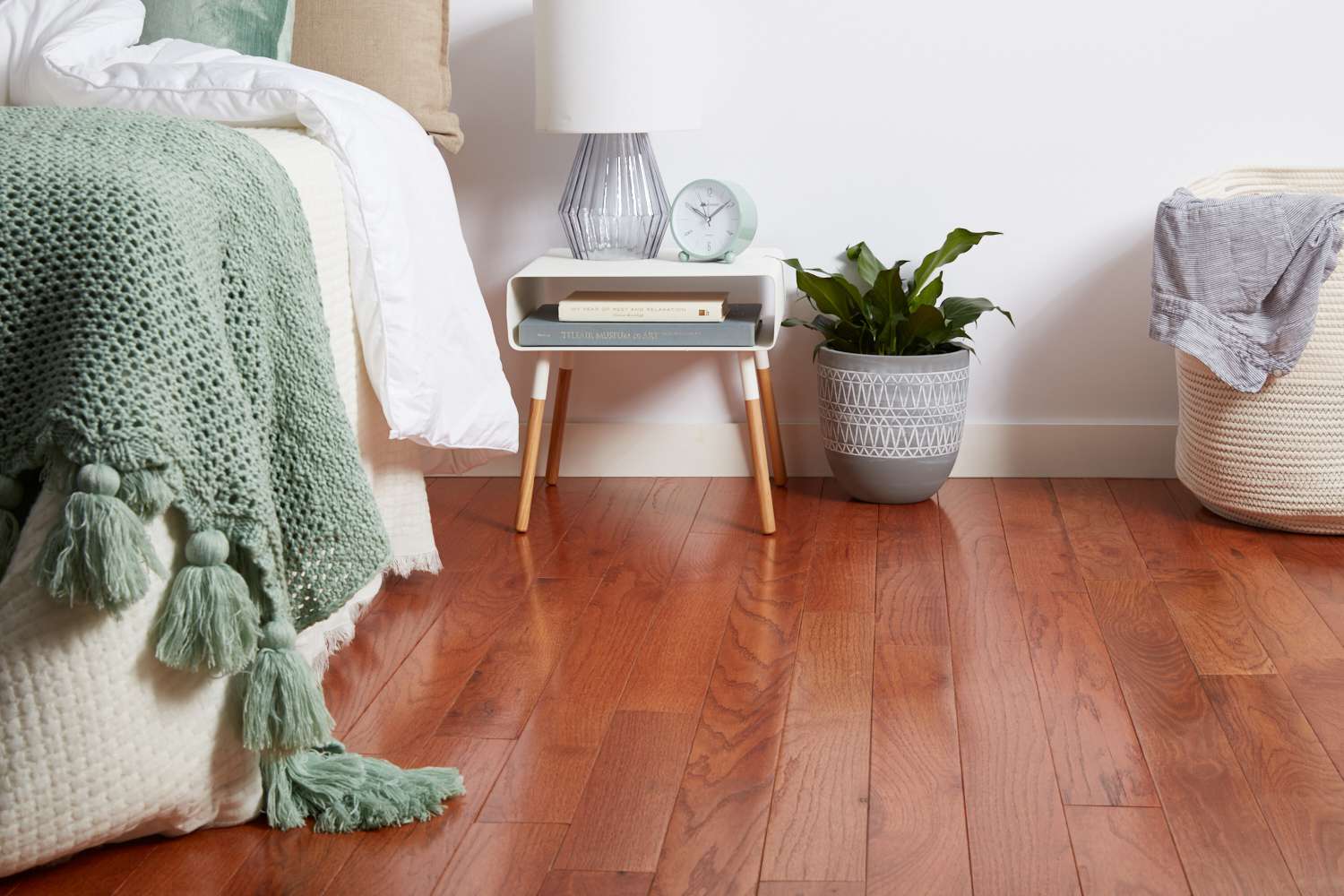
Flooring is one of the most essential yet often underestimated aspects of interior and exterior design. Beyond serving as the foundation for furniture and foot traffic, flooring defines the visual narrative of a space, influences comfort and safety, and significantly impacts the sustainability and energy efficiency of a building. In architecture, the term flooring encompasses the materials, finishes, installation methods, and maintenance practices that collectively shape the functional and aesthetic quality of built environments. Well-executed flooring can transform ordinary spaces into dynamic, enduring, and visually compelling environments.
Understanding the Fundamentals of Flooring
Flooring is far more than a surface to walk on. It balances technical performance with visual appeal and interacts closely with other architectural elements such as walls, lighting, and furnishings. Key principles include:
Functionality and Performance
The primary role of flooring is to withstand various forms of stress while maintaining safety, comfort, and durability. Considerations include:
- Load-Bearing Capacity: Different floors are designed to handle specific weights, from light residential use to heavy commercial or industrial traffic.
- Slip Resistance: Materials must ensure safety, especially in wet or high-traffic areas, using textured surfaces or non-slip coatings.
- Acoustic and Thermal Insulation: Flooring contributes to sound absorption and temperature regulation. For example, cork and carpet reduce noise, while radiant floor systems provide efficient heating.
Aesthetics and Design
Flooring defines a space visually and contributes to the overall mood:
- Material Texture: Wood, stone, ceramic, and synthetic options provide distinct tactile and visual experiences.
- Color Palettes: Lighter colors can expand perceived space, while darker shades create intimacy and warmth.
- Patterns and Layouts: Herringbone, chevron, checkerboard, and mosaic patterns add depth, rhythm, and architectural interest.
Sustainability and Environmental Impact
Modern flooring emphasizes eco-conscious design:
- Material Sourcing: Using reclaimed, recycled, or sustainably harvested materials reduces environmental impact.
- Low-VOC Finishes: Floor coatings with minimal volatile organic compounds improve indoor air quality.
- Longevity: Durable floors reduce replacement frequency, conserving resources over time.
Key Types of Flooring Materials
Different projects require distinct flooring solutions. Each material has unique properties, advantages, and limitations, making selection critical.
Hardwood Flooring
Hardwood remains a timeless choice for both residential and commercial interiors:
- Durability: Species like oak, maple, and walnut resist wear and last for decades with proper maintenance.
- Aesthetic Appeal: Natural grains and warm tones create elegant, classic environments.
- Sustainability Considerations: Certified wood from responsibly managed forests ensures minimal ecological impact.
Installation options include solid planks or engineered layers that accommodate moisture variations and uneven subfloors.
Engineered Wood and Laminate
Engineered wood combines a hardwood veneer with layered plywood:
- Moisture Resistance: Performs better than solid wood in humid or temperature-variable spaces.
- Versatility: Can mimic exotic woods without excessive environmental strain.
Laminate flooring uses high-density fiberboard topped with printed wood or stone imagery:
- Affordability: Less expensive than solid hardwood while offering similar aesthetics.
- Durability: Scratch-resistant surfaces withstand high traffic but may have limited lifespan compared to natural wood.
Stone and Ceramic Flooring
Natural stone and ceramic tiles are ideal for high-traffic or wet areas:
- Stone Options: Marble, granite, slate, and limestone provide elegance and exceptional durability.
- Ceramic and Porcelain Tiles: Offer versatility in size, color, and finish, with excellent water resistance.
- Thermal Conductivity: Stone and ceramic pair well with radiant floor heating, ensuring comfort in cold climates.
Stone may require sealing to prevent staining, while tiles need careful grout maintenance to avoid discoloration and cracking.
Vinyl and Linoleum
Vinyl and linoleum are popular for commercial spaces and modern residential applications:
- Water Resistance: Ideal for kitchens, bathrooms, and utility areas.
- Ease of Maintenance: Simple cleaning routines and high resistance to scratches and stains.
- Design Flexibility: Available in a wide range of colors, patterns, and textures, including realistic wood or stone finishes.
Vinyl, often made with synthetic polymers, and linoleum, a natural product made from linseed oil, offer choices for different sustainability goals.
Carpet and Textile Flooring
Textile flooring provides comfort, insulation, and acoustic benefits:
- Softness and Comfort: Ideal for bedrooms, living rooms, and office spaces to reduce fatigue.
- Sound Absorption: Carpet significantly reduces noise levels in multi-story buildings.
- Variety of Textures: Loop, cut pile, and patterned carpets add tactile and visual diversity.
Carpet selection should consider fire resistance, stain protection, and maintenance needs for longevity.
Concrete and Industrial Flooring
Concrete has evolved beyond utilitarian applications:
- Polished Concrete: Achieves a sleek, modern finish suitable for contemporary residential and commercial interiors.
- Stained or Decorative Concrete: Allows creativity through color, texture, or embedded materials.
- Durability: Resistant to heavy loads, chemical spills, and frequent foot traffic.
Concrete can also integrate radiant heating and cooling systems, adding energy efficiency and comfort.
Installation Techniques and Considerations
Correct installation is critical for performance, aesthetics, and lifespan. Key considerations include:
- Subfloor Preparation: Ensuring a level, clean, and dry surface prevents warping, cracking, or uneven wear.
- Adhesives and Fasteners: Selection depends on material type, load requirements, and environmental conditions.
- Expansion Gaps and Seams: Accommodate natural material expansion, especially for wood and engineered flooring.
- Professional vs. DIY Installation: While some materials are DIY-friendly, high-end hardwood, stone, and complex tile layouts require professional expertise for optimal results.
Modern Trends in Flooring
Contemporary flooring reflects technological advances, sustainability goals, and evolving design preferences.
Eco-Friendly Flooring Solutions
Sustainability dominates modern flooring choices:
- Bamboo and Cork: Rapidly renewable and biodegradable materials offer durability and comfort.
- Recycled Content: Floors made from reclaimed wood, rubber, or glass minimize landfill contributions.
- Low-Impact Finishes: Water-based and UV-cured coatings reduce VOC emissions and enhance longevity.
Smart and Adaptive Flooring
Emerging technologies integrate flooring with building intelligence:
- Radiant Heating and Cooling: Embedded systems improve energy efficiency and indoor comfort.
- Pressure-Sensitive Surfaces: Detect movement for safety, accessibility, or interactive environments.
- Durable, Wear-Resistant Coatings: Maintain appearance in high-traffic commercial or public spaces.
Aesthetic Innovations
Designers now experiment with material combinations, patterns, and textures:
- Mixed Materials: Wood, tile, and stone combined for dynamic transitions and visual interest.
- Geometric Patterns: Herringbone, chevron, and modular tiles create rhythm and focal points.
- Textured Surfaces: Embossing, engraving, and inlays add tactile dimension and sophistication.
Challenges in Flooring Design
Selecting and installing flooring involves navigating multiple challenges:
- Moisture and Humidity: Wood and laminate require careful moisture management to prevent warping and mold.
- Wear and Tear: High-traffic areas need durable surfaces and low-maintenance finishes.
- Acoustic Performance: Hard floors may increase noise, requiring complementary solutions like rugs or acoustic panels.
- Budget Constraints: Balancing cost, aesthetics, and performance is a common challenge for both residential and commercial projects.
Real-Life Examples of Exceptional Flooring Applications
Several projects illustrate innovative and thoughtful flooring integration:
- The Guggenheim Museum, New York: Polished concrete and terrazzo floors support heavy foot traffic while complementing artistic interiors.
- Bamboo Residences, Asia: Bamboo flooring provides sustainable durability and natural warmth for residential settings.
- Corporate Headquarters in Silicon Valley: Mixed wood and tile flooring with geometric patterns creates dynamic circulation zones and collaborative spaces.
Best Practices for Flooring Selection and Maintenance
Achieving optimal flooring performance requires holistic planning:
- Assess Functional Needs: Consider load, moisture, traffic, and safety requirements before selecting material.
- Prioritize Sustainability: Use eco-friendly, durable, and low-impact materials to reduce environmental footprint.
- Design for Aesthetics: Choose colors, patterns, and textures that harmonize with the overall interior design.
- Regular Maintenance: Follow manufacturer guidelines for cleaning, sealing, and repair to extend lifespan.
- Professional Consultation: Engage architects, interior designers, or flooring specialists for complex installations or high-traffic areas.
Frequently Asked Questions About Flooring
Q1: How does flooring impact a building’s interior design?
Flooring sets the tone of a space, influencing color schemes, furniture selection, and overall ambiance. It can unify rooms, highlight focal points, and reinforce architectural style.
Q2: What is the most durable flooring material for high-traffic areas?
Stone, ceramic tiles, polished concrete, and high-quality hardwood or engineered wood provide superior durability and long-term performance in busy environments.
Q3: How can flooring contribute to sustainability?
Using reclaimed, recycled, or rapidly renewable materials reduces environmental impact. Low-VOC finishes and long-lasting surfaces decrease resource consumption and improve indoor air quality.
Q4: What factors should I consider when choosing flooring for bathrooms or kitchens?
Water resistance, slip resistance, ease of maintenance, and durability are critical. Tile, vinyl, or engineered wood with protective coatings are popular choices.

Comments are closed.