

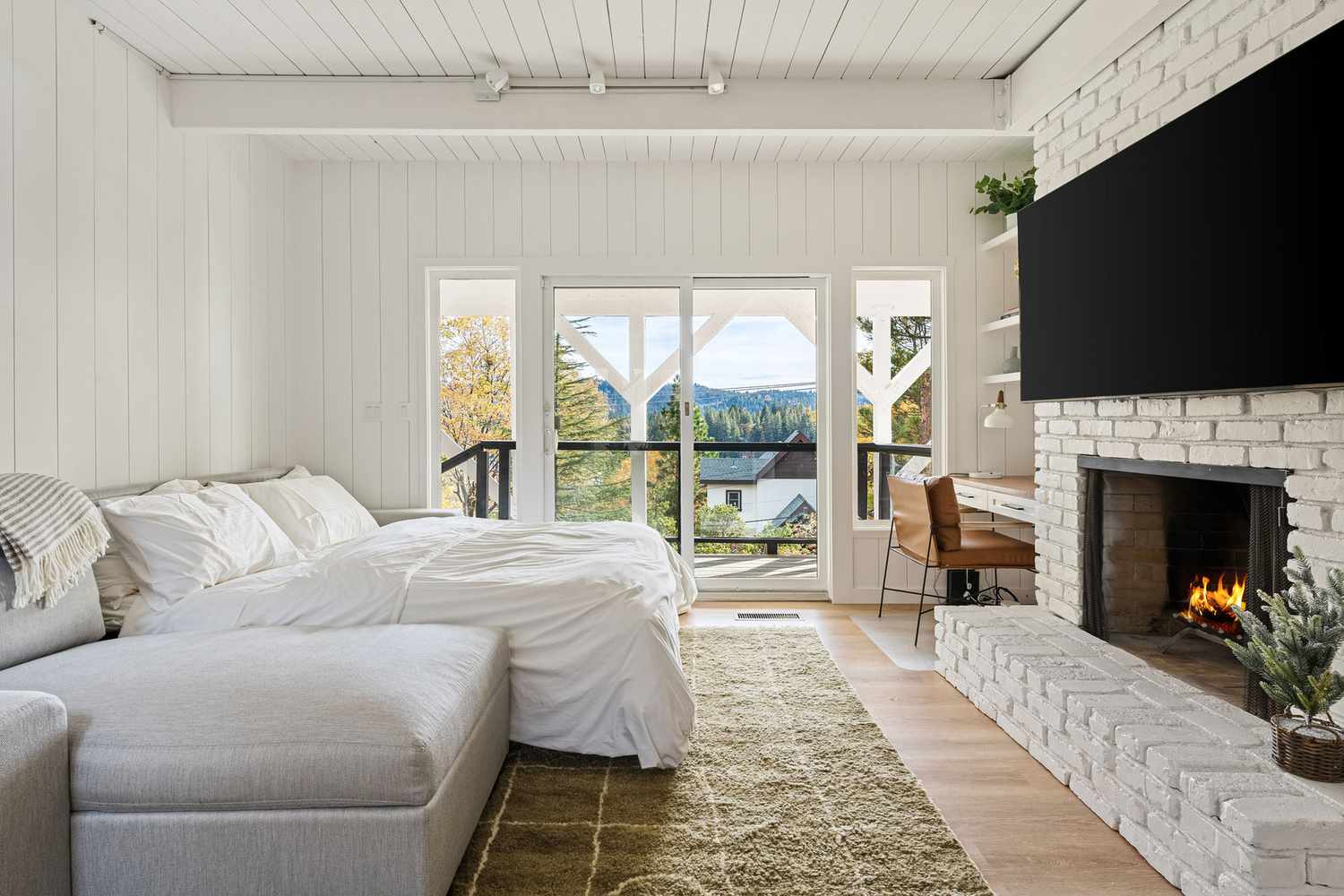
Furniture is more than just a collection of chairs, tables, and cabinets. It represents the intersection of design, utility, comfort, and architectural integrity. From historical craftsmanship to modern innovations, furniture shapes the way humans interact with their environments. In architecture and interior design, furniture selection and placement influence circulation, spatial perception, and even social behavior. Thoughtful furniture design balances aesthetics with ergonomics, sustainability, and functional adaptability, transforming spaces into living, working, and recreational environments that are both beautiful and practical.
The Role of Furniture in Modern Architecture
Furniture is integral to architecture because it completes the functional ecosystem of any built space. While architecture defines the structural framework, furniture defines the human experience within that framework. Key aspects include:
Enhancing Functionality
Furniture facilitates daily activities and supports human needs:
- Ergonomic Support: Properly designed chairs, desks, and beds prevent fatigue and promote healthy posture.
- Space Optimization: Modular and multifunctional furniture maximize usable area, especially in small apartments and offices.
- Task Facilitation: Furniture tailored to specific tasks, such as kitchen islands, conference tables, or study desks, enhances efficiency and workflow.
Shaping Aesthetics
Furniture contributes to the visual identity and style of a space:
- Material Selection: Wood, metal, glass, and composite materials influence texture, warmth, and visual appeal.
- Color and Finish: Furniture color complements interior palettes, while finishes—from matte to glossy—alter perceived depth and mood.
- Proportions and Scale: Properly scaled furniture harmonizes with room dimensions, ceiling height, and architectural features.
Promoting Social Interaction
Furniture arrangement affects interpersonal dynamics:
- Seating Configuration: Sofas and chairs arranged for conversation foster communication and social engagement.
- Public and Private Zones: Office cubicles, communal tables, or lounge areas define social boundaries and promote collaboration.
- Flexible Layouts: Movable partitions, foldable chairs, and convertible tables accommodate varying social or functional needs.
Historical Evolution of Furniture
Understanding the historical development of furniture informs modern design choices and trends. Each era reflects cultural values, technological advancement, and artistic expression.
Ancient Civilizations
- Egyptian Furniture: Featured functional simplicity with beds, stools, and chests made from wood, stone, or woven reeds.
- Greek and Roman Influence: Introduced sophisticated seating such as klismos chairs, emphasizing ergonomic curves and decorative elements.
- Asian Traditions: Chinese and Japanese furniture utilized joinery, lacquer, and minimalism, emphasizing harmony with surroundings.
Renaissance to Industrial Revolution
- Renaissance Furniture: Ornate carvings, inlays, and gilded finishes reflected wealth and status.
- Baroque and Rococo: Focused on elaborate ornamentation, curved forms, and theatrical aesthetics.
- Industrial Era: Mass production allowed functional, affordable furniture, combining wood and metal in simplified designs for emerging middle-class homes.
Modern and Contemporary Furniture
- Modernism: 20th-century designers embraced clean lines, functionality, and industrial materials, such as tubular steel and plywood.
- Postmodernism and Minimalism: Highlighted form over function, playful color schemes, and minimal ornamentation.
- Smart Furniture: Integrates technology, such as adjustable desks, charging stations, and IoT-enabled surfaces, reflecting the contemporary need for adaptability.
Types of Furniture and Their Applications
Furniture spans numerous categories based on purpose, material, and design. Selecting the right type is essential for functionality, durability, and aesthetic cohesion.
Seating Furniture
Chairs, sofas, benches, and stools are fundamental for both comfort and design:
- Ergonomic Chairs: Support posture and reduce strain for offices and workspaces.
- Sectional Sofas: Create modular arrangements for living areas, allowing flexible seating for social gatherings.
- Outdoor Seating: Weather-resistant materials like treated wood, metal, or synthetic fibers accommodate outdoor use.
Tables and Work Surfaces
Tables are both functional and decorative anchors in a space:
- Dining Tables: Varied shapes—round, rectangular, or extendable—accommodate family size and social rituals.
- Coffee Tables and Side Tables: Serve as secondary surfaces for casual use and decorative displays.
- Work Desks: Designed for task efficiency with integrated storage, cable management, and ergonomic considerations.
Storage Solutions
Storage furniture balances aesthetics with organizational utility:
- Cabinets and Wardrobes: Offer concealed storage while complementing room style.
- Bookshelves and Display Units: Integrate functionality with visual presentation, supporting both organization and decoration.
- Modular Systems: Flexible storage allows customization for evolving needs, particularly in urban apartments.
Specialty and Multi-Functional Furniture
Innovative designs maximize utility without sacrificing style:
- Convertible Furniture: Sofa beds, foldable desks, and expandable tables optimize space in compact environments.
- Tech-Integrated Units: Desks with charging ports, media consoles, or integrated speakers support modern lifestyle requirements.
- Outdoor and Patio Systems: Modular seating, storage benches, and weatherproof tables create cohesive exterior environments.
Materials Used in Furniture Design
Material choice impacts durability, aesthetic appeal, cost, and sustainability. Key materials include:
Wood
- Hardwood: Oak, maple, and walnut provide long-lasting strength and visual warmth.
- Softwood: Pine and cedar offer lighter weight and affordability, suitable for casual or rustic designs.
- Engineered Wood: Plywood and MDF provide cost-effective alternatives for complex or mass-produced furniture.
Metal
- Steel and Aluminum: Offer structural strength and sleek, modern aesthetics.
- Brass and Bronze: Used for decorative accents, handles, and legs to add luxury and warmth.
- Wrought Iron: Often applied in outdoor furniture for durability and ornamental design.
Glass
- Tempered Glass: Strengthened for safety, used in tables, cabinet doors, and shelving.
- Frosted or Colored Glass: Adds visual interest and privacy while maintaining light flow.
Textiles
- Natural Fabrics: Cotton, linen, and wool provide comfort, texture, and breathability.
- Synthetic Fabrics: Polyester, acrylic, and microfiber enhance durability, stain resistance, and maintenance ease.
- Leather: Premium material offering longevity, aesthetic sophistication, and tactile appeal.
Plastic and Composite Materials
- Polypropylene and ABS: Lightweight, cost-effective, and versatile for modern seating and storage solutions.
- Recycled Composites: Environmentally conscious options with strength and mold-resistant properties.
Furniture in Contemporary Design Practices
Furniture design is increasingly influenced by environmental, technological, and social factors:
Sustainable and Eco-Friendly Furniture
- Reclaimed and Upcycled Materials: Wood, metal, and fabric reuse reduces waste.
- Low-Impact Manufacturing: Minimizing chemical treatments and VOC emissions supports healthier interiors.
- Lifecycle Design: Durability and repairability extend furniture lifespan, reducing environmental footprint.
Adaptive and Flexible Design
- Modular Systems: Furniture can adapt to evolving needs, such as movable partitions or reconfigurable seating.
- Space Optimization: Multi-functional pieces are critical for urban living where space is limited.
- Ergonomic Innovations: Adjustable desks, chairs, and support systems prioritize comfort and health.
Technologically Enhanced Furniture
- Smart Desks and Tables: Built-in charging ports, sensors, and IoT connectivity.
- Interactive Units: Furniture integrated with digital displays, touch surfaces, or augmented reality for workspace and retail environments.
- Enhanced Materials: Anti-microbial coatings, stain-resistant fabrics, and temperature-regulating surfaces improve hygiene and comfort.
Challenges in Furniture Design and Implementation
Furniture design and selection involve navigating practical and aesthetic challenges:
- Durability vs. Cost: Balancing premium materials with budget constraints.
- Ergonomics and Comfort: Ensuring proper support for long-term use, particularly in office and healthcare settings.
- Maintenance Requirements: Materials like wood or fabric may need specialized care to maintain longevity.
- Integration with Architecture: Furniture must complement structural features, lighting, and spatial dimensions for cohesive design.
Real-Life Examples of Innovative Furniture Applications
- Compact Urban Apartments: Multi-functional furniture such as foldable beds and modular shelving maximize small spaces.
- Corporate Offices: Ergonomic chairs, sit-stand desks, and collaborative tables enhance productivity and employee wellness.
- Luxury Hotels: Custom-designed furniture integrates aesthetics, comfort, and brand identity, enhancing guest experience.
- Public Spaces: Outdoor seating and park benches combine durability, weather resistance, and social engagement.
Best Practices for Furniture Selection and Maintenance
- Assess Functional Requirements: Identify primary use, load, frequency, and spatial constraints.
- Prioritize Ergonomics: Ensure furniture supports posture, comfort, and health.
- Consider Material Durability and Sustainability: Choose materials that align with usage and environmental goals.
- Plan Layout and Circulation: Proper placement avoids congestion and enhances aesthetic flow.
- Regular Cleaning and Maintenance: Follow manufacturer recommendations to preserve appearance and functionality.
- Consult Professionals: Designers or architects provide expertise for complex spaces or specialized furniture needs.

Comments are closed.