

The Seattle Climate: Understanding Its Impact on Your Lawn
Seattle’s climate is a unique blend of maritime and temperate conditions, characterized by cool, wet winters and warm, dry summers. For anyone striving to cultivate a lush, vibrant lawn, understanding how Seattle’s specific climate influences lawn care is crucial. The annual rainfall in Seattle averages about 37 inches, with a significant portion falling between October and March. This precipitation, vital for grass growth, also poses challenges such as waterlogging and increased disease susceptibility. Therefore, developing a lawn care strategy that takes into account the local climate is pivotal for success.
How Rainfall Shapes Your Lawn Care Strategy
Rainfall in Seattle is both a blessing and a challenge for lawn care enthusiasts. The consistent moisture keeps the grass looking green and lush, but it also creates a need for careful management to avoid the pitfalls of over-saturation. In areas with poor drainage, lawns are prone to diseases such as brown patch or root rot, making it essential to incorporate techniques that promote proper drainage. Aerating the soil regularly to reduce compaction and encouraging the formation of healthy drainage patterns can be effective. Prioritizing lawn maintenance during the drier summer months, when rainfall is less frequent, will ensure your grass receives the water it needs without being waterlogged.
Temperature Trends: What to Expect Through the Seasons
Seattle experiences a range of temperatures throughout the year, with summer highs averaging in the mid-70s°F and winter lows dipping into the 30s°F. This temperature variability significantly impacts grass growth cycles. In spring, the gradual warming of the soil prompts grass to begin its growth cycle, making it the perfect time for fertilization and reseeding. Conversely, during the hottest months of July and August, grass may enter dormancy if not properly cared for. Awareness of these temperature trends can help you tailor your care routines such as adjusting watering schedules, choosing the right fertilizers, and identifying when to apply preventative treatments against pests and diseases.
Adapting to Microclimates: Tailoring Care for Unique Areas
Seattle’s diverse geography produces microclimates that can drastically affect lawn conditions in small areas. For instance, hillsides may receive more sunlight and can dry out quicker than shaded valley spots. Similarly, areas in proximity to bodies of water might remain cooler and wetter. Understanding these microclimate variations is essential for tailoring your lawn care regimen. For example, in sunnier areas, extending the frequency of watering during the hotter months can safeguard against drought stress, while shaded lawns may necessitate less frequent watering and careful monitoring of moisture levels to prevent fungal diseases. Adjusting practices based on these subtle environmental differences is key to achieving a thriving lawn across varying conditions.
Soil Secrets: Building a Strong Foundation for Your Grass
The health of your lawn begins and ends with the soil beneath it. Healthy soil not only provides the necessary nutrients but also fosters a robust root system. Therefore, understanding the soil’s composition, pH level, and nutrient needs is integral to successful lawn care in Seattle.
The Importance of Soil Testing: Know Your Lawn’s Nutritional Needs
Before you can effectively care for your lawn, knowing what it’s made of is crucial. Soil testing allows homeowners to identify the nutrient profile of their soil, including pH, nitrogen levels, phosphorus, potassium, and organic matter content. Most testing kits are easy to use and offer insights into what amendments may be necessary for optimal grass growth. For instance, if a test reveals low nitrogen levels, applying a nitrogen-rich fertilizer can promote vibrant green growth. Additionally, knowing the soil pH helps in choosing the right grass types and amendments, as certain grasses thrive in acidic soils while others do better in neutral to alkaline conditions. Regular soil testing every few years will guide ongoing fertilizer and amendment choices over time.
Improving Drainage: Techniques for a Healthy Root System
Effective drainage is essential for a healthy lawn in Seattle, particularly given the city’s propensity for rain. Poor drainage can lead to waterlogged areas that choke plant roots and generate ideal conditions for fungus and pests. Techniques such as incorporating organic matter like compost can enhance drainage by improving soil structure, while the addition of sand can also ameliorate heavy clay soils. Installing a rain garden or creating swales can help redirect excess water away from the lawn and reduce pooling. Moreover, regularly aerating your lawn promotes water infiltration, allows for better air exchange in the soil, and reduces compaction, leading to a healthier, well-established root system.
Organic Amendments: Enriching Your Seattle Soil Naturally
Using organic amendments to enrich your soil is an environmentally friendly way to improve grass health. Options such as compost, mulch, and aged manure can significantly increase soil fertility and structure by adding essential nutrients and promoting beneficial microbial activity. These organic materials also improve water retention vital for the dry summer months with compost, in particular, promoting the microbial life essential for nutrient cycling. Furthermore, mulch can suppress weeds, conserve soil moisture, and add aesthetic appeal to the overall garden landscape making it a multifaceted solution. Transitioning to an organic amendment strategy over time will lead to a more resilient lawn.
Grass Selection: Choosing the Right Variety for Your Garden
Selecting the appropriate grass type is fundamental for a successful lawn. Not all grasses are created equal, and choosing varieties that align with the environmental conditions in Seattle can lead to a thriving outdoor space.
Cool-Season Grasses: The Best Picks for Seattle’s Temperate Climate
Given Seattle’s climate, cool-season grasses tend to perform the best, especially varieties such as Kentucky bluegrass, tall fescue, and perennial ryegrass. Kentucky bluegrass is highly sought after for its lush appearance and ability to withstand heat and cold, making it an ideal candidate for sunny areas. Tall fescue is known for its deep roots and drought resistance, perfect for areas that experience less rainfall during the summer months. Meanwhile, perennial ryegrass germinates quickly and provides quick cover, which is advantageous for new lawns or overseeding existing ones. Understanding the specific characteristics of these grasses enables homeowners to cultivate a lawn that remains vibrant and resilient.
Native Grasses: Sustainable Choices for Eco-Conscious Gardeners
For gardeners looking to embrace sustainability, native grass varieties represent an excellent option. Grasses like California fescue or Idaho fescue are adapted to the local climate and provide essential habitats for local wildlife, promote biodiversity, and require less water once established. By choosing native grasses, eco-conscious gardeners can create a lawn that is not only beautiful but also supports the local ecosystem. Additionally, they often require less fertilizer and are more resistant to diseases and pests, reducing the need for chemical treatments.
Diversity in Your Lawn: Blending Varieties for Resilience
Planting a diverse mix of grass varieties can significantly enhance your lawn’s resilience against pests, diseases, and environmental stresses. Blending cool-season grasses with deeper-rooted varieties can also improve your lawn’s drought tolerance and adaptability, ensuring that some areas thrive even when conditions change. For example, incorporating both Kentucky bluegrass and tall fescue could provide excellent coverage and allow resilience on varying sunny and shaded areas. Furthermore, diversity can also create visual interest and texture, enhancing the aesthetic appeal of your garden.
Lawn Maintenance: Essential Practices for Year-Round Health
A thriving lawn requires not only the right grass and soil but also ongoing maintenance throughout the year. Adopting effective lawn care strategies ensures that your grass remains healthy, vibrant, and resilient against the challenges of Seattle’s climate.
Mowing Techniques: When, How, and Why It Matters
Mowing is a fundamental aspect of lawn care that significantly affects the health and appearance of your grass. Ideally, the mowing height should be adjusted according to the type of grass planted. For instance, Kentucky bluegrass typically performs best when mowed to a height of about 2.5-3 inches, while taller varieties such as tall fescue may thrive at 3-4 inches. Mowing too short can stress the grass, resulting in vulnerabilities to diseases, while cutting too infrequently may lead to a shaggy appearance and increased pest habitats. It is also vital to ensure that your mower blades are sharp, as clean cuts promote quicker healing for the grass blades and contribute to a healthier lawn overall. Additionally, varying your mowing pattern can prevent soil compaction and improve light penetration.
Fertilization Fundamentals: Timing and Products That Work
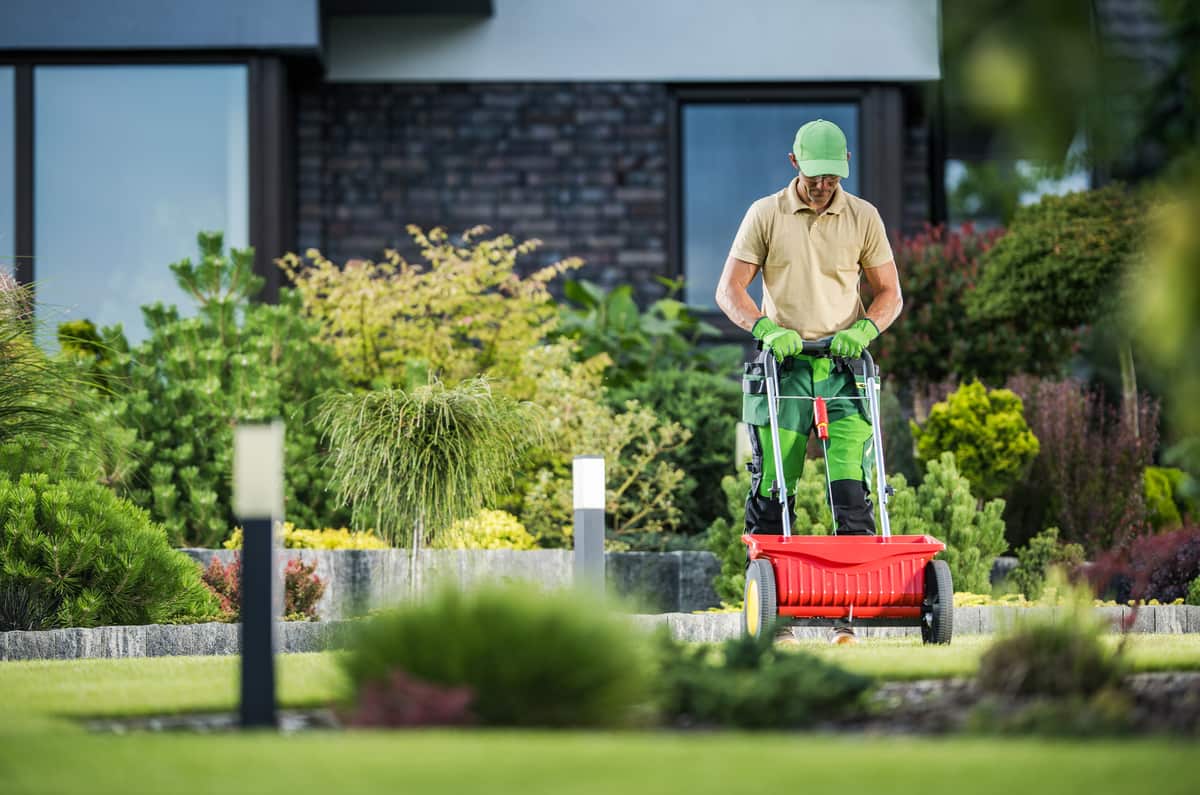
Timely fertilization based on soil tests and grass needs is essential for any effective lawn care regimen. A general rule is to fertilize cool-season grasses during the early spring and again in the late fall, ensuring that nutrients are available during peak growth periods. Fertilizer choices can range from synthetic to organic options, and understanding the N-P-K (Nitrogen-Phosphorus-Potassium) ratio aids in selecting the right product. Organic fertilizers not only improve soil quality over time but also reduce the risk of chemical runoff into local waterways critical to maintaining Seattle’s natural beauty.
Weed and Pest Management: Sustainable Approaches to Protect Your Lawn
Controlling weeds and pests sustainably is vital for a thriving garden. Integrated Pest Management (IPM) is a holistic approach that combines multiple strategies for effective control. Regular monitoring of your grass ensures early detection of pests and diseases and enables appropriate treatment before they spread. Cultural practices, such as maintaining optimal mowing heights, proper irrigation, and promoting healthy soil, can reduce pest and weed occurrences. Additionally, consider using organic herbicides and pesticides that are less harmful, choosing products with naturally derived ingredients to protect both your lawn and the broader ecosystem. This balanced approach prioritizes the health of both your lawn and the surrounding environment. In conclusion, maintaining a lush, thriving lawn in Seattle is an engaging journey that demands understanding, dedication, and flexibility. By grasping the nuances of the local climate, selecting the right grasses, enriching the soil, and adopting essential maintenance practices, homeowners can cultivate a garden that not only enhances their outdoor space but also contributes positively to the environment. With the right care and knowledge, your Seattle lawn can remain a stunning and sustainable part of your home for years to come.

Comments are closed.