

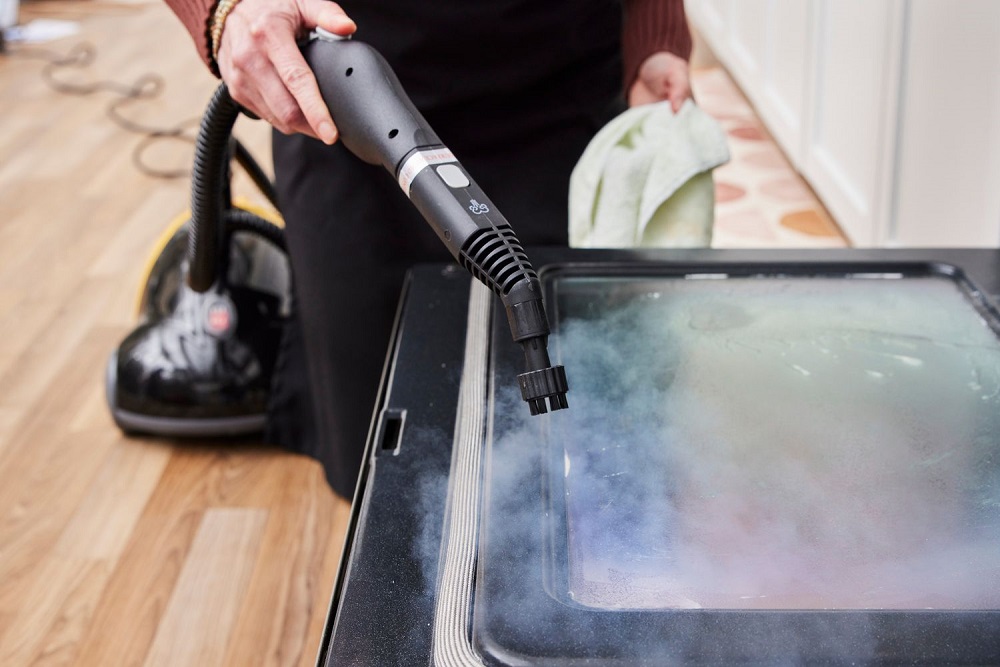
Steam cleaning has evolved from a niche commercial sanitation method into a versatile cleaning technology across residential, industrial, and clinical settings. By converting water into high-temperature vapor, these machines leverage thermal energy to dissolve grease, denature bacterial proteins, eliminate allergens, and release bonded dirt from surfaces without relying heavily on synthetic detergents.
However, steam cleaning is not a uniform process. Different tasks demand distinct pressure levels, boiler temperatures, moisture delivery rates, and extraction capabilities. Selecting the wrong equipment can result in surface damage, lingering moisture problems, or inadequate pathogen reduction. Understanding how steam systems differ across specific operational environments ensures maximum efficiency and surface safety.
Fundamentals of Steam Cleaning Technology
All steam systems generate pressurized vapor by heating water within a boiler chamber, but their operating physics vary significantly based on three key parameters: temperature, pressure, and moisture content.
-
Boiler Temperature vs. Tip Temperature: Water boils at 212 degrees Fahrenheit at sea level, but pressurized boilers typically heat water between 280 and 365 degrees Fahrenheit. Higher boiler temperatures create drier vapor and sustain working temperatures as the steam travels down the hose to the delivery nozzle.
-
Operating Pressure (PSI/Bar): Boiler pressure ranges from 35 PSI in compact household units to well over 145 PSI in three-phase industrial machines. Higher pressure propels vapor deeper into micro-crevices, grout pores, and mechanical assemblies.
-
Moisture Ratio (Dry Vapor vs. Wet Steam): Dry steam vapor systems utilize boilers running at high temperatures and pressures to produce vapor containing only 4 to 6 percent moisture. Wet steam systems operate at lower temperatures and higher water ratios, producing a flushing effect ideal for rinsing heavy slurry or outdoor residues.
Core Categories of Steam Cleaning Equipment
To compare systems across specific use cases, it helps to distinguish the primary hardware configurations available on the market today.
Handheld Cleaners and Steam Mops
Compact and lightweight, these units utilize small flash-heaters or miniature boilers. They produce low-to-moderate steam volume suitable for routine domestic surface cleaning, sealed floor mopping, and minor spot treatment. Their low pressure capacity limits their effectiveness on deep grease, thick scale, or high-traffic commercial grime.
Canister and Cylinder Steam Cleaners
Canister systems house larger single-tank boilers on wheels, delivering between 45 and 65 PSI. They are widely used for residential deep cleaning, light automotive detailing, and rental property turnovers. Standard single-tank canisters require cooldown periods before depressurizing and refilling with water.
Continuous-Fill Dry Vapor Systems
Equipped with a dual-chamber setup comprising an unpressurized water reservoir and a pressurized boiler, continuous-fill machines use an internal electromagnetic pump to feed water into the boiler as needed. This allows operators to add water while the machine runs, eliminating downtime. These units frequently feature working pressures between 65 and 100 PSI and generate consistent dry vapor.
Commercial Steam Vacuum Extractors
These dual-function systems combine dry steam delivery with an integrated wet vacuum recovery system. By injecting vapor and instantly vacuuming up dislodged soil, liquid, and pathogens, they prevent slurry from drying back onto surfaces and significantly shorten drying times on textiles and non-porous surfaces.
Heavy-Duty Industrial Steam Generators
Built with heavy-gauge stainless steel boilers, high-wattage elements, or diesel-fired heating coils, industrial units operate between 100 and 150 PSI or higher. Many support multi-operator hoses, integrated chemical or detergent injection, and continuous hot-water flushing for demanding manufacturing settings.
Residential Applications: Deep Sanitation and Hard Surfaces
Residential environments require equipment that balances agility, quiet operation, and safety around diverse building materials like ceramic tile, grout, sealed hardwood, granite, and glass.
-
Tile and Grout Restoration: Grout is naturally porous, allowing grease, dirty mop water, and mold spores to settle below the surface. Dry steam vapor penetrates these microscopic pores, breaking up stains without abrasive scouring that can erode the grout matrix.
-
Sealed Floor Maintenance: High moisture levels can cause laminate to swell and warp engineered hardwood. Steam mops or canisters with precise steam regulation and dry vapor output minimize moisture exposure, evaporating within seconds while lifting grime.
-
Kitchen and Bathroom Disinfection: Mold in shower tracks, soap scum on tempered glass, and burnt-on stove residues dissolve quickly under sustained 280-degree vapor, eliminating the need for caustic bathroom sprays or bleach fumes in poorly ventilated residential spaces.
Textile and Upholstery Care: Balancing Heat and Moisture
Textile applications present a distinct challenge: applying enough heat to dissolve oils and sanitize fibers without over-saturating the padding or damaging heat-sensitive synthetic blends.
-
Steam Vapor vs. Traditional Hot Water Extraction: Traditional carpet extractors flood fibers with gallons of pressurized water and suck it back out. While effective for mud or severe flooding, drying times often exceed 12 to 24 hours, introducing risks of wick-back stains and mildew. Steam vapor extractors apply dry heat that breaks soil loose from fibers, using a fraction of the water and leaving textiles dry in under an hour.
-
Upholstery and Mattress Sanitization: Mattresses, sofa cushions, and draperies benefit from high-heat sanitization, which denatures dust mite allergens and neutralizes bed bug life stages. An integrated vacuum extractor ensures dead organic matter and skin cells are removed rather than driven deeper into the core foam.
Automotive Detailing: Precision Interior and Exterior Cleaning
Automotive detailing demands precision tooling to navigate tight spaces, sensitive electronic control units, delicate leather, and synthetic headliners.
-
Cabin Air Quality and HVAC Vents: Detailing technicians inject steam directly into dashboard air vents to eliminate mildew, dust, and odor-causing bacteria clinging to the evaporator core, restoring cabin air quality without artificial masking perfumes.
-
Leather and Headliner Preservation: Excessive moisture and heat can dissolve the water-based glues holding headliners to vehicle ceilings or strip natural oils from leather seats. Low-moisture dry vapor, paired with horsehair brush attachments or microfiber bonnets, lifts body oils and denim dye transfers safely.
-
Engine Bay and Wheel Well Cleaning: In engine compartments, high-pressure steam cuts through motor oil, road grime, and brake dust while consuming significantly less water than a pressure washer, dramatically reducing the risk of water intrusion into spark plug wells, alternator housings, and sensitive wiring harnesses.
Commercial Kitchens and Food Production: Degreasing and Bio-Burden Control
Food prep zones require rapid, verifiable sanitation that complies with strict health standards while preventing chemical residues from contaminating food surfaces.
-
Heavy Grease Emulsification: Commercial fryers, hood exhaust vents, flat tops, and stainless steel splash guards accumulate thick layers of polymerized grease. Continuous-fill commercial vapor cleaners operating above 300 degrees Fahrenheit melt these oils on contact.
-
Eliminating Chemical Taint: Using harsh degreasers and chemical sanitizers on food contact surfaces requires multi-stage rinsing to avoid toxic residues. Steam cleaning achieves high-level sanitation thermally, leaving zero chemical film on cutting tables, slicers, or conveyor belts.
-
Biofilm Disruption on Equipment: Food processing machinery with knurled knobs, hinge points, and rubber seals easily harbors persistent biofilms like Listeria and Salmonella. High-pressure steam nozzles direct heat into microscopic structural recesses where standard chemical wiping cannot reach.
Healthcare and Clinical Environments: Non-Chemical Pathogen Reduction
Hospitals, outpatient clinics, and dental offices demand proven pathogen reduction alongside minimal chemical off-gassing, especially in rooms occupied by vulnerable patients.
-
Surface Decontamination: Dry steam systems running at temperatures above 300 degrees Fahrenheit denature the outer protein capsids of viruses and rupture bacterial cell walls within brief contact windows.
-
Zero Volatile Organic Compounds (VOCs): Chemical disinfectants like quaternary ammonium compounds, chlorine, and peracetic acid can trigger asthma, respiratory irritation, and skin sensitivities in staff and patients. Steam vapor leaves zero toxic fumes or chemical residues on bed rails, wheel locks, patient trays, or vinyl upholstery.
-
Biofilm Removal on High-Touch Fixtures: Wheelchair surfaces, call buttons, and stainless steel fixtures develop protective biofilms that shield bacteria from surface disinfectants. Thermal energy disrupts these biofilms mechanically and thermally, restoring the underlying substrate to a clean state.
Industrial and Heavy Machinery Maintenance
Industrial plants, assembly lines, and machine shops prioritize heavy-duty performance, speed, and minimal water runoff.
-
Tool, Die, and Machine Degreasing: Machine shops utilize high-pressure commercial steam generators to strip cutting fluids, rust-inhibiting oils, and metal shavings from CNC mills, lathes, and stamping dies prior to maintenance or painting.
-
Conveyor and Packaging Line Cleaning: Bottling plants, bakery lines, and packaging belts cannot tolerate thousands of gallons of water splashing over electric drive motors and sensors. Low-moisture steam removes sugars, syrups, dough residues, and industrial lubricants while keeping workspace runoff contained.
System Comparison Matrix: Selecting by Application
-
Household Maintenance: Compact canister or steam mop, 40 to 55 PSI, single-tank system, dry to moderate moisture output.
-
Auto Detailing and Mobile Operations: Continuous-fill commercial canister or steam extractor, 65 to 90 PSI, high-durability hose, dry vapor with vacuum recovery.
-
Commercial Kitchens and Hospitality: Continuous-fill commercial vapor machine, 85 to 110 PSI, high boiler wattage (1700W to 3000W), dual-tank design for uninterrupted runtime.
-
Healthcare Facilities: Certified dry steam vapor system with integrated extraction, stainless steel exterior, HEPA-filtered vacuum exhaust, low acoustic footprint.
-
Industrial Manufacturing: Heavy-duty three-phase or fuel-fired steam generator, 100 to 150+ PSI, high volume throughput, optional chemical injection for extreme heavy oils.
Frequently Asked Questions
How does water hardness affect boiler scale accumulation and system lifespan?
Hard water contains dissolved calcium and magnesium minerals that precipitate out of solution when heated, forming a hard layer of limescale on boiler walls and heating elements. This scale layer insulates the heating element, causing it to run hotter to reach boiling temperatures, which leads to premature element burnout and clogged internal solenoids. Using distilled, demineralized, or properly softened water prevents mineral buildup and extends component life. If using tap water, regular descaling cycles with manufacturer-approved citric or sulfamic acid solutions are essential.
What thermal safety margins are required to prevent cracking ceramic or porcelain tiles?
Thermal shock occurs when a rapid temperature differential causes brittle materials like ceramic, porcelain, or glass to expand unevenly and fracture. To avoid cracking tiles, especially in unheated winter environments or on exterior patios, avoid applying high-pressure, narrow-jet steam directly to a single cold spot. Instead, use a wide rectangular floor tool fitted with a microfiber cloth bonnet, which distributes the thermal energy evenly and allows the surface temperature to rise gradually.
Can dry steam vapor machines be used safely on unsealed wood or oiled finishes?
Dry steam vapor is generally not recommended for bare, unsealed, or penetrating-oil finished wood. Without a continuous polyurethane or factory seal, the vapor will penetrate open wood grain and fibers, causing the wood to swell, raise the grain, and potentially warp. Even sealed wood floors should be cleaned only with low-moisture dry vapor on low settings with constant forward movement, ensuring the floor dries completely within thirty seconds.
What is the difference between contact disinfection and ambient thermal sanitization with steam?
Contact disinfection requires the steam nozzle or tool to maintain direct contact with the target surface for a verified dwell time, typically two to seven seconds depending on the pathogen, to transfer sufficient thermal energy into the micro-organism. Ambient thermal sanitization relies on the surrounding warm vapor in the air, which drops in temperature rapidly just inches from the nozzle tip. True microbial reduction occurs only through direct, close-proximity application where working surface temperatures exceed 160 to 180 degrees Fahrenheit.
Why is boiler wattage crucial when operating continuous-fill steam units under continuous trigger pull?
When a steam trigger is held down continuously, steam escapes from the boiler, lowering both the internal pressure and the water temperature. The heating element must generate enough thermal energy, measured in watts, to replenish that lost heat in real time. A standard 120-volt, 15-amp residential circuit limits machines to around 1800 watts, which can lead to pressure drops during sustained use. Commercial systems operating on 240-volt circuits utilize 3000-watt or higher elements, enabling them to maintain peak pressure and temperature without pressure loss.
How do integrated detergent or chemical injection systems function alongside high-pressure steam?
Integrated chemical injection systems use a secondary pump that introduces small, metered doses of specialized cleaning agents directly into the steam stream near the delivery nozzle, rather than into the boiler itself. This prevents chemicals from baking onto boiler heating elements. The combination of thermal vapor and chemical surfactants accelerates the emulsification of heavy grease, industrial polymers, and carbonized residues, allowing operators to use milder chemical formulas at lower concentrations.
What personal protective equipment is recommended when operating high-pressure commercial steam generators?
Operators running commercial or industrial steam generators should wear heat-resistant, waterproof gloves made of nitrile or neoprene to protect hands from hot metal attachments and escaping vapor. Eye protection, such as ANSI-rated safety goggles or a face shield, is critical to guard against high-pressure blowback of hot water, dislodged debris, or atomized contaminants. In industrial environments with continuous operation, closed-toe waterproof safety boots and long sleeves are also advised to prevent accidental contact burns.

Comments are closed.