

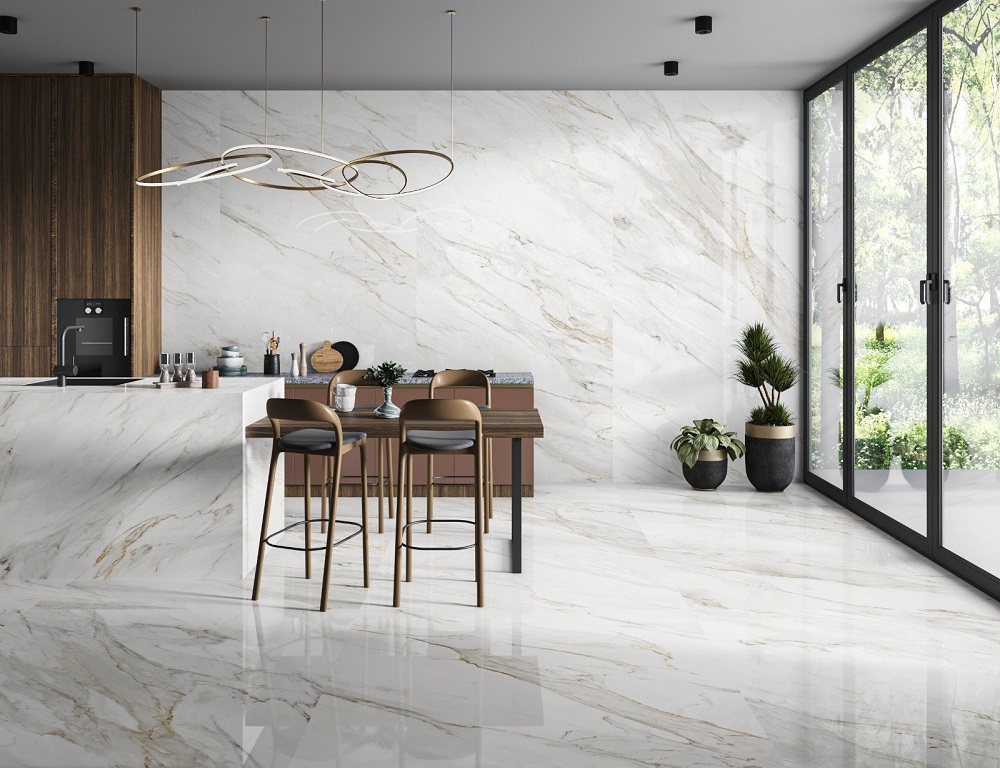
Selecting the right flooring involves more than just picking a material like hardwood, porcelain tile, luxury vinyl, or polished concrete. The surface sheen plays a major role in determining how a room feels, how light behaves across the floor, and how much daily maintenance is required to keep the space looking clean.
The two primary aesthetic options on opposite ends of the sheen spectrum are glossy and matte finishes. While a high-gloss floor creates a dramatic, mirror-like effect, a matte finish provides a natural, understated foundation. Both options offer distinct practical and design trade-offs depending on the room layout, foot traffic, lighting, and lifestyle demands of your household.
Understanding Sheen and Light Reflectance
The fundamental difference between glossy and matte finishes comes down to specular reflection, which is how a surface reflects incoming light.
-
Glossy Finishes: These surfaces have a smooth, sealed top layer that reflects light directly at a consistent angle. This produces a mirror effect with clear light highlights, high contrast, and deep color saturation.
-
Matte Finishes: These surfaces feature microscopic texture or specialized dulling agents in the sealant that scatter light in multiple directions. This diffuse reflection softens harsh glare, conceals surface imperfections, and highlights the raw, organic grain or texture of the material beneath.
-
Semi-Gloss and Satin: These intermediate options sit between the two extremes, offering a subtle, soft sheen that balances light reflection with moderate ease of maintenance.
Characteristics of Glossy Flooring Finishes
Glossy floors are frequently associated with formal living spaces, upscale commercial venues, grand entryways, and sleek, contemporary interiors.
Key Advantages of Glossy Finishes
-
Enhanced Spatial Brightness: Because glossy surfaces reflect both natural sunlight and artificial light fixtures, they bounce illumination into dark corners, making small or poorly lit spaces feel significantly larger and more open.
-
Vibrant Color Depth: High gloss brings out the richness in dark hardwood stains, exotic stone veining, and intricate porcelain patterns, giving colors a bold, saturated appearance.
-
Smooth, Non-Porous Cleanability: Smooth high-gloss sealers create a flat surface that does not trap grease, dust, or sticky spills in micro-textures, allowing quick wiping with a microfiber mop.
Key Drawbacks of Glossy Finishes
-
High Visibility of Imperfections: The reflective surface acts like a magnifier for everyday life. Dust specks, pet hair, bare footprints, water spots, and fine hairline scratches show up prominently under direct light.
-
Slip Hazards When Wet: Smooth gloss surfaces experience a steep drop in traction when exposed to water, spills, or condensation, presenting a serious slip-and-fall hazard in entryways, kitchens, and bathrooms.
-
Glaring Light Reflections: Rooms with expansive floor-to-ceiling windows or intense overhead downlights can suffer from distracting glare across high-gloss floors during sunny hours.
Characteristics of Matte Flooring Finishes
Matte finishes have seen a significant surge in popularity across modern, Scandinavian, transitional, and rustic residential designs.
Key Advantages of Matte Finishes
-
Exceptional Camouflage for Daily Wear: Because matte surfaces scatter light rather than reflecting it directly, fine scratches, dropped-object dents, dust, and paw prints blend into the background instead of catching the light.
-
Natural, Authentic Appearance: On hardwood, engineered planks, and stone tiles, a matte topcoat preserves the organic texture, grain patterns, and tactile character of the material without an artificial plastic look.
-
Superior Traction and Safety: The microscopic texture that dulls the sheen often provides better grip underfoot, making matte surfaces naturally safer in high-moisture zones and homes with children, elderly residents, or active pets.
Key Drawbacks of Matte Finishes
-
Absorbs Rather Than Reflects Light: In low-light basements or windowless interior hallways, matte floors can make the space feel somewhat darker and more enclosed by absorbing ambient light.
-
Potential for Stubborn Soil Accumulation: Certain textured matte finishes can hold onto micro-dust, sticky residues, and oils from bare feet within their microscopic crevices, requiring periodic deep scrubbing rather than a simple dry sweep.
-
Muted Color Vibrancy: Matte sealers slightly soften deep dark tones, which can make deeply stained woods or vibrant stone slabs look somewhat flatter than their high-gloss equivalents.
Room-by-Room Breakdown: Matching Finish to Function
Different rooms in a home face distinct traffic patterns, lighting conditions, and moisture levels. Evaluating these variables helps identify where each finish performs best.
Kitchens
Kitchens experience continuous foot traffic, grease splatters, dropped utensils, and liquid spills. A matte or satin finish is generally far more forgiving here. Glossy kitchen floors require constant buffing to remove oil smudges, dropped food residue, and water spots near the sink and dishwasher.
Bathrooms and Laundry Rooms
Safety and moisture management are top priorities in wet areas. High-gloss tiles become very slick when exposed to shower spray or steam condensation. Matte tiles, particularly those with a textured surface, offer superior traction and hide drying water spots, soap scum, and shampoo splatters.
Living Rooms and Formal Dining Areas
In formal living or dining rooms with controlled foot traffic and soft, indirect lighting, a high-gloss or semi-gloss floor can serve as an elegant centerpiece. It reflects ambient chandelier light and enhances the richness of fine wood furniture. Conversely, for open-concept great rooms where daily family life takes center stage, a matte finish helps hide dust between cleanings.
High-Traffic Entryways and Hallways
Foyers and hallways receive high grit exposure from outdoor shoes. Tiny dirt particles act like fine-grit sandpaper beneath shoe soles, quickly wearing dull pathways into high-gloss polyurethane or wax coatings. Matte finishes handle foot friction with far less noticeable visual wear over time.
Bedrooms
Bedrooms are low-impact sanctuaries where personal aesthetic preference takes precedence. Matte wood or vinyl plank brings cozy warmth and an organic feel underfoot, while glossy exotic hardwoods can introduce a boutique hotel aesthetic when paired with plush area rugs.
Long-Term Maintenance and Durability Comparisons
Maintaining the appearance of your floor over a ten-to-twenty-year lifespan requires specific maintenance habits tailored to each finish type.
-
Cleaning Techniques: Glossy floors require streak-free, neutral-pH cleaning solutions and frequent dry dust mopping to avoid cloudy films and visible water streaks. Matte floors handle standard damp microfiber mopping well, though textured variants occasionally require a soft-bristled deck brush to dislodge ground-in dirt.
-
Scratch Repair and Spot Touch-Ups: When a deep scratch occurs on a high-gloss hardwood floor, spot-repairing the clear coat is difficult because any local sanding or re-coating will show a distinct boundary line against the surrounding glossy field. Matte finishes allow for easier localized repairs and blending using matching matte touch-up pens or buffing oils.
-
Refinishing Timelines: High-gloss floors tend to show traffic paths sooner in high-wear corridors, often prompting homeowners to screen and recoat the surface earlier than they would with a low-sheen matte floor that masks wear patterns naturally.
Making the Final Decision for Your Space
To make the best choice for your project, weigh your daily lifestyle against your interior design priorities:
-
Choose Glossy if you want to maximize light in a dark space, prefer a formal or contemporary aesthetic, do not have active pets with untrimmed claws, and are comfortable maintaining a disciplined cleaning schedule.
-
Choose Matte if you have an active household with kids or pets, want a natural and rustic look, prefer low-maintenance surfaces that hide daily dust, or are flooring high-moisture areas where slip resistance is critical.
-
Choose Satin or Semi-Gloss if you want a practical middle ground that reflects moderate light without highlighting every footprint and speck of dust.
Frequently Asked Questions
Can you change the finish of an existing hardwood or tile floor without replacing the material?
For site-finished solid hardwood and thick engineered timber, you can change the sheen level by screening and recoating the floor with a new polyurethane or natural oil topcoat in your desired finish without sanding down to raw wood. For glazed porcelain or ceramic tiles, however, the sheen is permanently baked into the liquid glass glaze during the kiln firing process and cannot be altered with topical sealers. Polished concrete and unglazed natural stone can be mechanically honed down with diamond abrasives to create a matte finish or buffed with diamond polishing pads to produce a high-gloss shine.
Does a matte finish affect the perceived resale value of a residential property?
Modern real estate market trends heavily favor matte and low-sheen satin finishes, especially in contemporary, mid-century modern, farmhouse, and transitional home designs. While high-gloss floors still appeal to specific buyers looking for formal, traditional luxury, matte flooring is broadly viewed by today’s buyers as more practical, modern, and easier to live with on a daily basis.
What is the difference between a naturally oiled matte finish and a matte polyurethane finish?
A matte polyurethane finish forms a continuous, hard synthetic film over the surface of the wood, locking out moisture while using chemical matting agents to diffuse light. A naturally oiled matte finish penetrates deep into the wood pores to strengthen the fibers from within, leaving no surface film. Oiled matte finishes provide a truly organic wood feel and allow simple spot repairs for minor scratches, but they require periodic re-oiling maintenance that polyurethane coatings do not.
How do pet claws impact glossy versus matte luxury vinyl and laminate planks?
Pet claws do not easily penetrate the heavy aluminum-oxide or ceramic-bead wear layers of premium luxury vinyl or laminate, but over time, active pets can create microscopic surface abrasions. On a high-gloss plank, these micro-scratches scatter light unevenly, showing up as dull patches and tracks when sunlight hits the floor at low angles. On a matte floor, the surface is already engineered to diffuse light, making light scratches from dog or cat claws virtually invisible under normal room lighting.
Why do some matte floors look cloudy or chalky after being cleaned with standard floor cleaners?
Cloudiness on matte floors is usually caused by residue buildup from cleaning products containing waxes, oils, surfactants, or excessive soap concentrations. Because matte surfaces have microscopic surface texturing to scatter light, chemical residues can settle into these micro-recesses rather than wiping away cleanly, leaving a hazy film. To prevent this, use a dedicated residue-free, neutral-pH cleaner formulated specifically for matte finishes, and avoid using multi-surface polishes or paste waxes.
Which lighting configurations work best above high-gloss flooring to minimize harsh glare?
To reduce distracting reflections on high-gloss floors, use diffused, indirect, and ambient lighting designs rather than focused, high-intensity direct downlights. Installing frosted lenses or diffusers on recessed ceiling fixtures, utilizing uplighting that bounces light off the ceiling, and incorporating wide fabric lampshades help spread light evenly across the room. Additionally, sheer window drapes soften harsh direct sunlight, preventing intense bright spots from reflecting off the floor surface.
Does the choice of floor sheen influence how high or low a ceiling appears in a room?
Floor sheen directly influences spatial perception and vertical visual balance. A high-gloss floor reflects the walls, lighting fixtures, and vertical architectural elements, creating an illusion of downward depth that can make standard-height ceilings feel taller. Conversely, a matte floor provides a visually grounded base that anchors the room, shifting visual focus upward toward wall art, textured wall coverings, and ceiling details rather than reflecting the room downward.

Comments are closed.